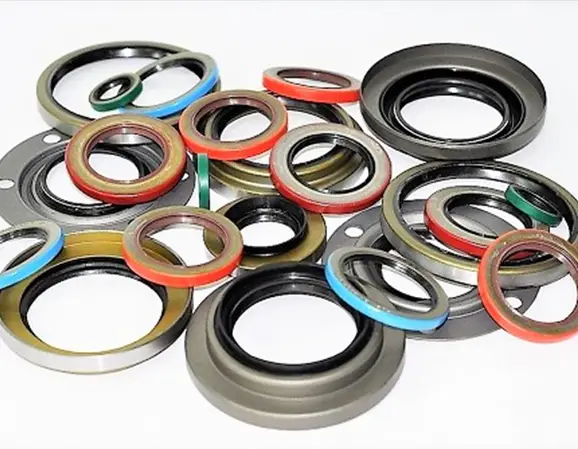

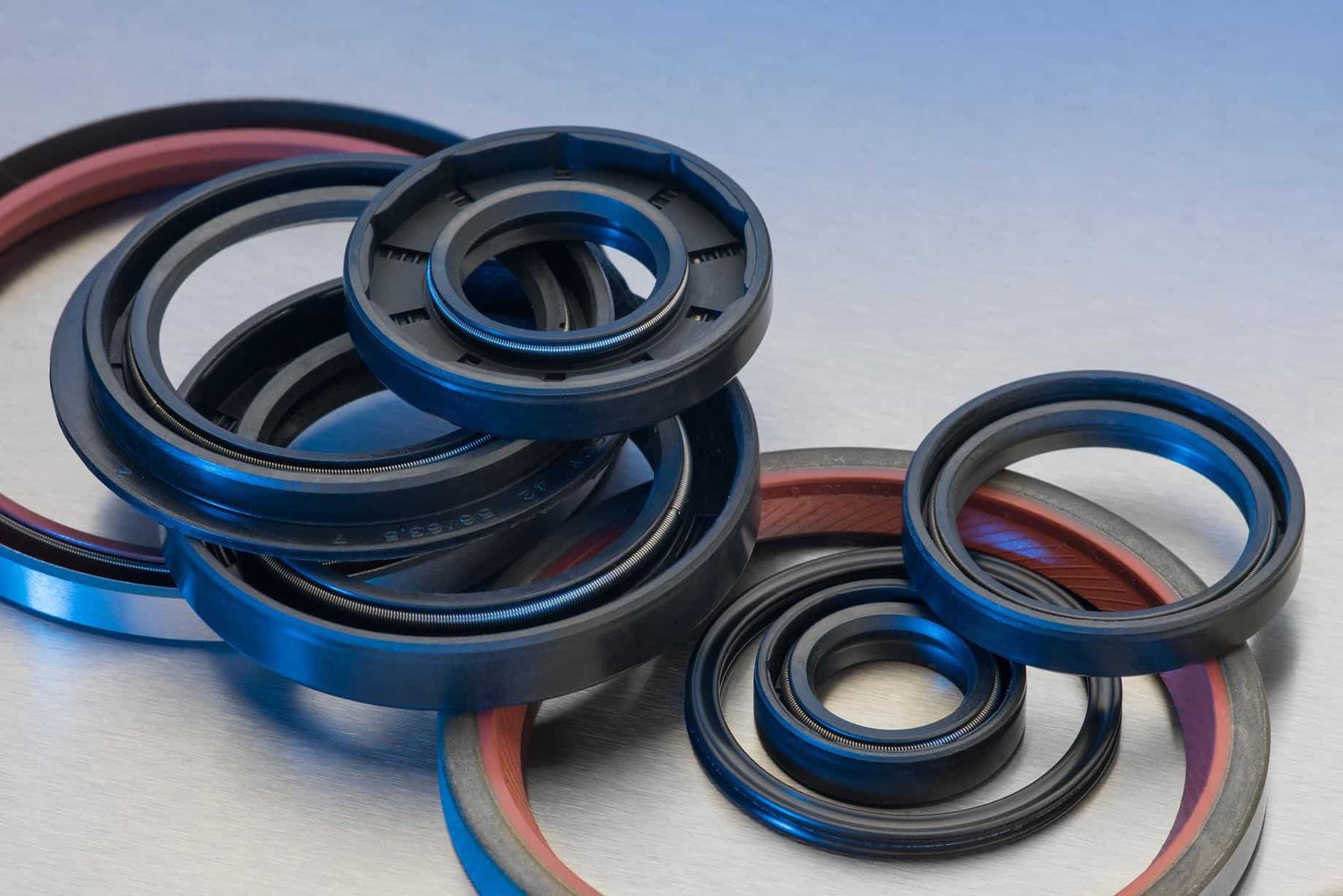
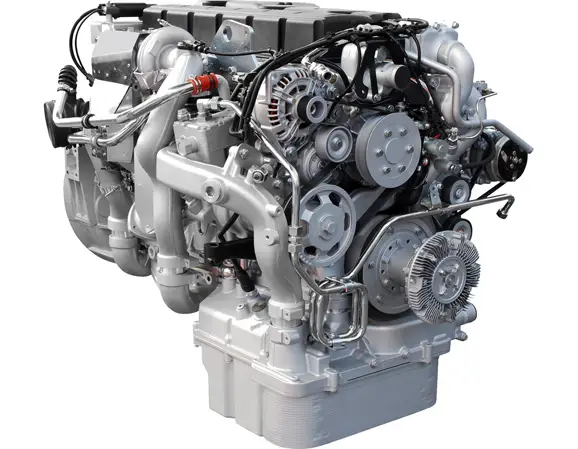

Engine mounts are critical components in automotive and industrial machinery, designed to secure the engine to the chassis while absorbing vibration and reducing noise. Over time, these components wear out due to mechanical stress, temperature fluctuations, oil contamination, and environmental exposure. Understanding when to replace engine mounts is essential not only for vehicle performance but also for safety and long-term maintenance cost control.
Although engine mounts are not sealing elements like O-rings, they often work alongside elastomer-based sealing systems. Their performance relies heavily on elastomer materials, similar to those used in sealing solutions. This connection makes it important to understand both mechanical and material degradation behaviors when evaluating replacement timing.
🚗 Key Insight: Engine mounts are designed to absorb vibration and stabilize the engine, but their elastomer cores degrade over time, leading to performance issues and potential system damage.
What Are Engine Mounts and How Do They Work?
Engine mounts are typically made of metal brackets combined with rubber or hydraulic elastomer components. Their primary function is to hold the engine securely in place while isolating vibration from the vehicle frame.
The elastomer portion absorbs shock and prevents excessive engine movement. This design ensures smoother operation, reduced cabin noise, and protection for surrounding components.
Modern Engine Mounts may include hydraulic damping systems, which improve vibration control but also introduce additional wear factors over time.
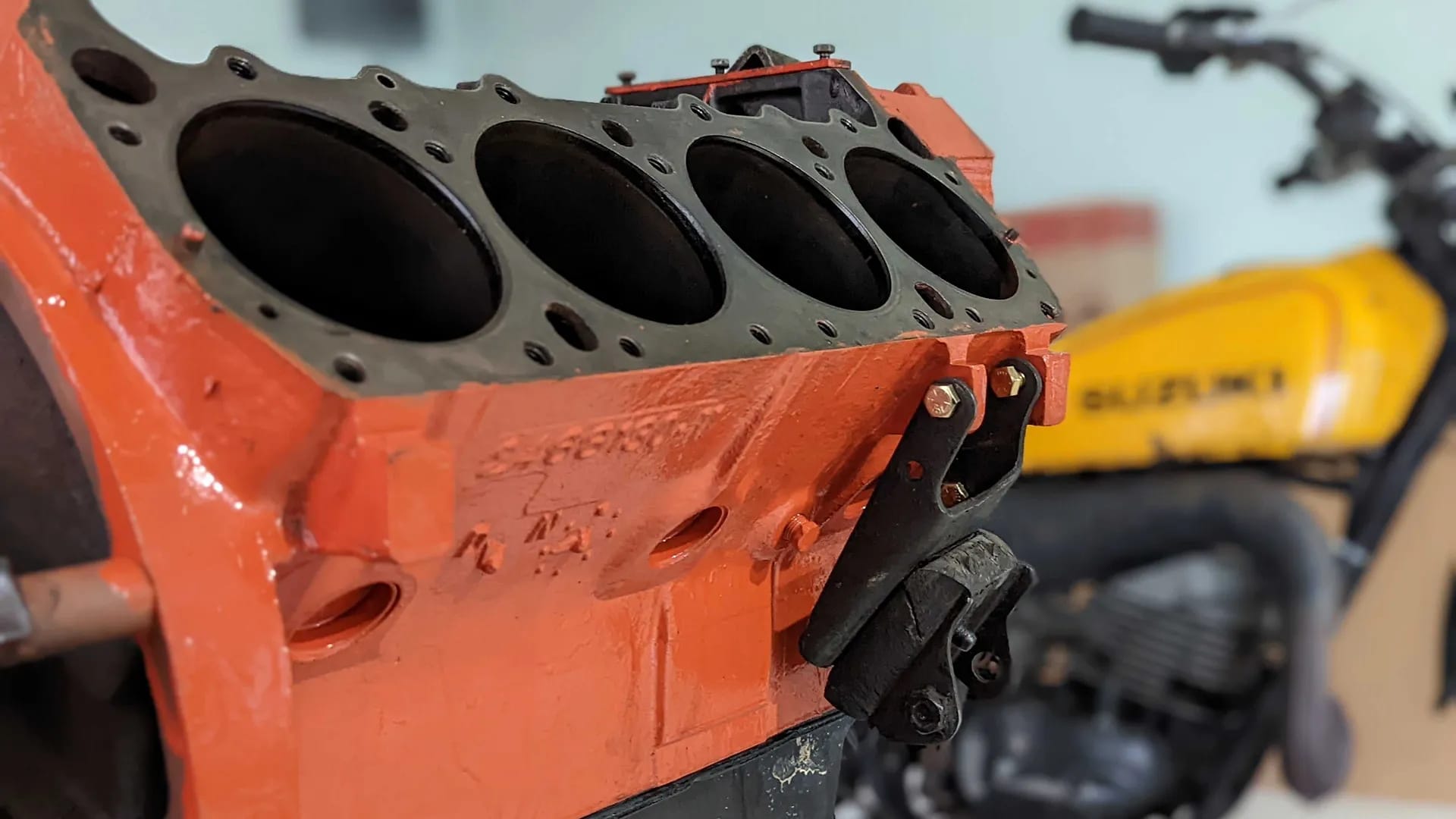
Why Engine Mounts Wear Out
Engine mounts operate under constant stress. Over time, their elastomer materials lose elasticity and structural integrity due to multiple factors.
Mechanical Stress and Vibration
Continuous engine vibration gradually fatigues the rubber material, causing cracks, hardening, or separation from the metal housing.
Heat Exposure
High engine temperatures accelerate elastomer degradation, especially in materials not designed for extreme thermal conditions.
Oil and Fluid Contamination
Leaking engine oil or transmission fluid can soften or break down rubber components, significantly reducing mount lifespan.
Environmental Factors
Exposure to ozone, moisture, and road debris contributes to aging and deterioration of mount materials.
⚠️ Failure Risk: Neglecting worn engine mounts can lead to excessive engine movement, increased vibration, and damage to adjacent components such as hoses, exhaust systems, and sealing elements.
Signs That Engine Mounts Need Replacement
Excessive Vibration
One of the most common signs of failing engine mounts is increased vibration felt in the cabin. When mounts lose elasticity, they can no longer effectively dampen engine movement.
Unusual Engine Movement
If the engine shifts excessively during acceleration, braking, or gear changes, it may indicate worn or broken mounts.
Clunking or Knocking Sounds
Damaged mounts may cause the engine to move and impact surrounding components, producing noticeable noise.
Visible Damage
Cracks, separation, or deformation in the rubber portion of the mount are clear indicators of wear.
Fluid Leakage (Hydraulic Mounts)
Hydraulic engine mounts may leak fluid when damaged, reducing their damping effectiveness.
🔍 Inspection Tip: Regular visual inspections and vibration monitoring can help detect early signs of engine mount failure before serious damage occurs.
When Should Engine Mounts Be Replaced?
There is no universal replacement interval for engine mounts, as lifespan depends on driving conditions, engine type, and material quality. However, general guidelines can help determine replacement timing.
Mileage-Based Replacement
Engine mounts typically last between 60,000 and 100,000 miles under normal conditions. Heavy-duty or high-performance vehicles may experience shorter lifespans.
Condition-Based Replacement
Replacement should occur immediately if any of the following conditions are observed:
- Severe vibration
- Visible cracks or separation
- Fluid leakage
- Engine misalignment
- Abnormal noise during operation
High-quality Engine Mounts can extend service life, but regular inspection remains essential.
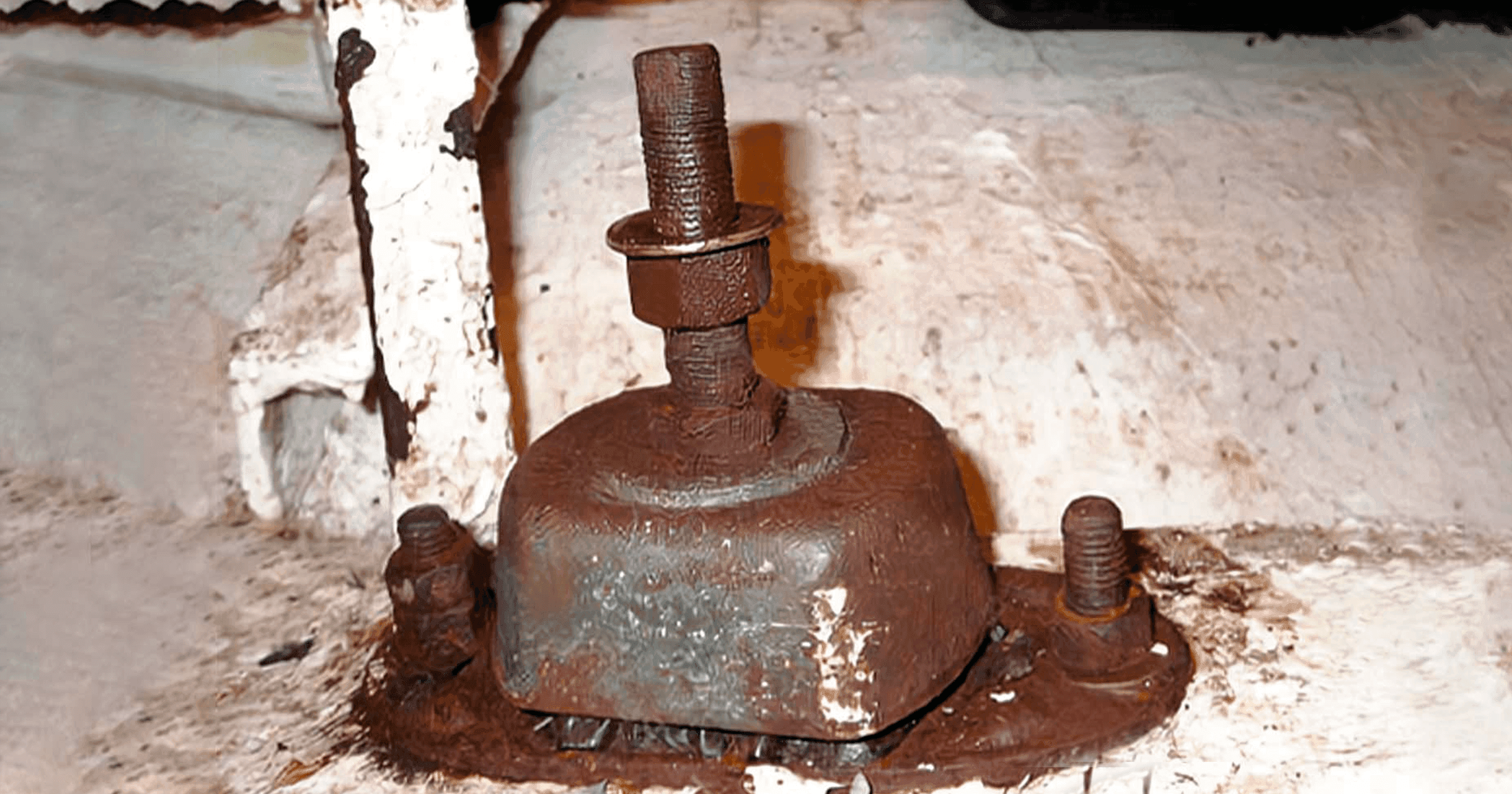
Impact of Worn Engine Mounts on Sealing Systems
Failing engine mounts can indirectly affect sealing components such as O-rings, gaskets, and oil seals.
Increased Vibration Stress
Excessive vibration may accelerate wear in elastomer seals, leading to leakage and reduced sealing performance.
Misalignment of Components
Engine movement can cause misalignment in shafts, pipes, and housings, placing additional stress on sealing interfaces.
Higher Risk of Fluid Leakage
Unstable engine positioning may compromise sealing surfaces, increasing the likelihood of oil or coolant leaks.
🔧 System Insight: Maintaining stable engine mounting conditions helps protect not only mechanical components but also critical sealing elements within the system.
Choosing the Right Replacement Engine Mounts
Selecting the correct replacement mounts is essential for restoring performance and ensuring long-term durability.
Material Quality
High-quality elastomers offer better resistance to heat, oil, and mechanical stress, improving lifespan and performance.
Design Type
Choose between standard rubber mounts and hydraulic mounts based on application requirements and vibration control needs.
Compatibility
Ensure the mount matches the vehicle or equipment specifications for proper fit and function.
Reliable Engine Mounts provide better vibration isolation and longer service intervals.
Preventive Maintenance Tips
Proper maintenance can extend the lifespan of engine mounts and reduce replacement frequency.
- Avoid aggressive driving and sudden acceleration
- Fix oil leaks promptly
- Perform regular inspections
- Monitor vibration levels
- Use high-quality replacement components
🛠️ Maintenance Tip: Addressing minor issues early can prevent costly repairs and extend the life of both engine mounts and related sealing systems.
Conclusion
Engine mounts are essential components that ensure engine stability, reduce vibration, and protect surrounding systems. Over time, their elastomer materials degrade due to heat, stress, and environmental exposure, making timely replacement crucial.
Recognizing the signs of wear, understanding replacement intervals, and selecting high-quality components can significantly improve vehicle performance and reliability. Additionally, maintaining proper engine mounting conditions helps protect sealing systems and prevents secondary damage.
Investing in durable Engine Mounts ensures smoother operation, reduced vibration, and longer equipment lifespan.
FAQ: When to Replace the Engine Mount?
1. How often should engine mounts be replaced?
Engine mounts typically last between 60,000 and 100,000 miles, but replacement depends on driving conditions and material quality.
2. What are the symptoms of bad engine mounts?
Common symptoms include excessive vibration, unusual engine movement, clunking noises, and visible damage.
3. Can worn engine mounts affect O-rings?
Yes, increased vibration and misalignment can accelerate wear in O-rings and other sealing components.
4. Are hydraulic engine mounts better than rubber mounts?
Hydraulic mounts provide better vibration damping but may require more maintenance and are typically more expensive.
5. Is it safe to drive with damaged engine mounts?
Driving with worn mounts is not recommended, as it can lead to increased vibration, component damage, and potential safety risks.