 Skip to content
TC oil seals
TC Oil Seal Comprehensive Guide
A comprehensive guide to product selection, installation, and procurement for both technicians and buyers.
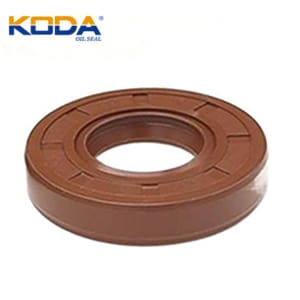
What is a TC oil seal?
The TC type oil seal is a radial shaft seal with a double-lip structure. Its main sealing lip effectively prevents leakage of internal fluid media, while the secondary dustproof lip strongly isolates external dust, dirt, and other contaminants, thus protecting core components such as bearings from wear. With its excellent reliability and durability, this oil seal is widely applicable to sealing and protection applications in motors, gearboxes, pumps, and various industrial machinery.
Key features and material options
1. Double-lip design: The main lip prevents fluid leakage, while the secondary lip blocks external contaminants from entering, significantly improving overall sealing performance through double sealing.
2. Nitrile rubber (NBR) material: Possesses excellent oil resistance, chemical corrosion resistance, and flexibility, suitable for sealing requirements in typical operating conditions.
3. Fluororubber (FKM) material: Outstanding temperature resistance, allowing stable application in high-temperature environments and various harsh chemical media scenarios.
4. Steel housing: The surface is typically coated with an anti-corrosion coating, strengthening structural rigidity while effectively resisting the risk of rust.
5. Spring-loaded inner lip: Maintains a continuous tight fit with the shaft through spring preload, ensuring stable and uninterrupted sealing performance.
Temperature ranges classified by material
| Material | Temperature Range | Oil Compatibility |
|---|---|---|
| NBR | -40°C to +120°C | Mineral-based oils and standard lubricants |
| FKM | -20°C to +200°C | Synthetic and high-temp oils |
Proper Installation Guide
Pre-treatment Cleaning: Thoroughly clean the mounting surfaces of the shaft and housing, removing oil, dust, and impurities to ensure a clean and free surface.
Pre-installation Lubrication: Apply a suitable lubricant evenly to the sealing lip to reduce installation friction and improve initial sealing performance.
Pressure Pressing: Use a dedicated seal press-in tool or a flathead screwdriver to apply even pressure along the circumference of the seal, avoiding excessive force in any one area.
Positioning and Alignment: Ensure the seal is installed upright and its end face is completely flush with the housing mounting surface.
Installation Tips: Do not directly strike the seal to prevent lip deformation or damage to the frame, which could affect sealing performance.
Maintenance techniques to extend the life of seals
Regular Inspection: Regularly inspect the seals for leaks, cracks, lip hardening, and other abnormalities, and address any issues promptly.
Cleaning and Maintenance: Regularly clean oil, debris, and impurities from the area around the seal ring to prevent contaminants from penetrating the sealing surface and affecting the sealing effect.
Lubrication Management: Use lubricating oil compatible with the seal material and operating conditions. Replace the lubricant promptly if it becomes contaminated or deteriorates.
Shaft Monitoring: Continuously monitor the wear condition of the shaft surface and ensure the coaxiality of the shaft and housing to prevent damage to the seals due to shaft misalignment.
Q&A: Frequently Asked Questions about TC oil seals
Q: What does “TC” mean in TC oil seal?
A: TC stands for double-lip rubber oil seal with a metal housing, a widely used type of radial shaft seal in industrial applications.
Q: What is the service life of a TC oil seal?
A: Under normal operating conditions, the service life is 3000–5000 hours. The actual service life is affected by the operating environment, installation accuracy, and maintenance frequency.
Q: What are the tolerances for TC seals?
A: The standard tolerance range is ±0.1mm to ±0.3mm. The final tolerance needs to be determined based on the specifications of the specific application.
Q: Can TC sealing rings be reused?
A: Reuse is not recommended. TC oil seals are disposable sealing components. After disassembly, the lip is easily damaged and deformed, and reinstallation will lead to seal failure.
Q: Which lubricant should I use?
A: It needs to be matched according to the oil seal material: nitrile rubber (NBR) is suitable for mineral oil; fluororubber (FKM) is suitable for synthetic oil or ester oil.
Recommended application scenarios for TC oil seals
Electric motors, speed reducers, generators
Centrifugal pumps, hydraulic pumps, hydraulic motors
Construction machinery such as excavators and loaders
Agricultural machinery such as tractors and harvesters
General equipment such as textile machines and printing presses
TC oil seal operation guide article
How to Choose the Right Oil Seal for Your Engine
Precise Dimension Measurement: Determine the diameter parameters of the motor shaft and the bore diameter parameters of the housing to provide a basis for seal selection.
Assess Operating Conditions: Clarify the operating temperature range of the application scenario and the types of chemical media the seal may come into contact with.
Match Seal Material: For general operating conditions, nitrile rubber (NBR) is preferred; for high-temperature environments or contact with corrosive chemical media, fluororubber (FKM) is recommended.
Verify Seal Dimensions: Select a seal specification that perfectly matches the shaft diameter and housing bore diameter to ensure installation accuracy and sealing effect.
Enhance Dust Protection: If the application scenario has a risk of dust and impurity contamination, prioritize double-lip (TC type) seals to improve overall sealing protection performance.
How to replace the TC oil seal without damaging the shaft
Removing the Old Seal: Using a seal puller or flathead screwdriver, carefully pry along the edge of the seal to remove the old seal completely, avoiding scratches on the shaft or housing surface.
Shaft Inspection: Carefully inspect the shaft surface for wear, scratches, rust, or other damage. If the damage is severe, repair it promptly, otherwise it will affect the service life of the new seal.
Cleaning: Thoroughly clean the shaft, housing mounting area, and surrounding area to remove oil, debris, and residual aged seals, ensuring the mounting surface is clean and free of impurities.
Lip Lubrication: Apply a suitable grease evenly to the sealing lip of the new seal to reduce installation friction and improve initial sealing performance.
Installing the New Seal: Using a dedicated seal installation tool, or with a soft hammer and flat base plate, apply even pressure along the circumference of the seal, ensuring the seal is flush with the housing end face and upright.
How to troubleshoot oil seal malfunctions
Oil leakage at the shaft → Lip wear / Size mismatch
Seal hardening and cracking → Overheating / Chemical corrosion
Noise and vibration → Shaft misalignment / Seal free spin
Key prevention: Select the right material according to the operating conditions + Proper installation