...

This office is closed on weekends. We are open Monday through Friday at 8:00 AM (Central Standard Time).

+8618730921709 | Hours:8am-6pm csT, Monday-Friday​

Oil Seals

Oil Seal Overview

KODA oil seals

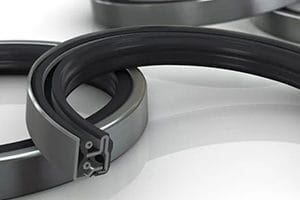
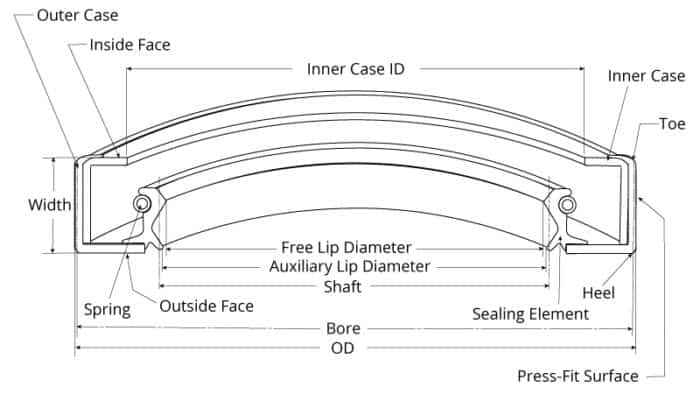
Oil seals are core sealing elements in industrial equipment and power machinery. They are mainly used to seal the gap between rotating shafts and stationary housings, preventing leakage of internal media such as lubricating oil and hydraulic oil, while also isolating external contaminants such as dust, impurities, and moisture, thereby ensuring stable equipment operation and extending service life. Their structure typically consists of three parts: a sealing lip, an elastic spring, and a housing. The rubber material, lip design, and housing type can be flexibly selected according to operating conditions, making them widely applicable in various fields such as automobiles, agricultural machinery, construction machinery, and pumps and valves.
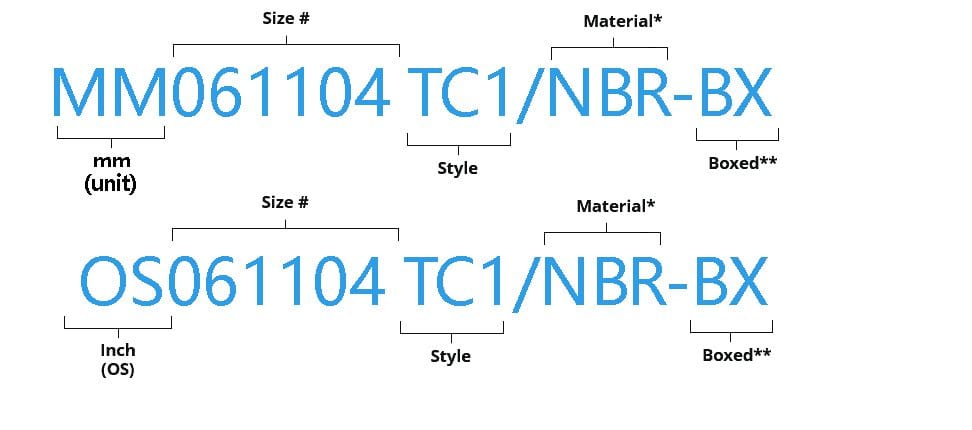
KODA Oil Seal Part Numbering System

KODA oil seals’ part numbers accurately cover the seal’s dimensions, structural style, and material composition. When searching for oil seals on our product page, the system will not only display your selected product but also automatically match other oil seal models of the same size. We usually provide functionally compatible alternatives with additional performance advantages for you to choose from. Cross-referencing with tens of thousands of OEM and manufacturer part numbers is possible. Simply enter the corresponding OEM/manufacturer part number in the search bar above (no need to enter the product name) to quickly find matching oil seal products.

Choose the appropriate oil seal

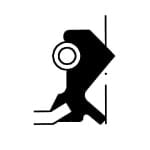
For example, the part number of this oil seal corresponds to an inner diameter of 6mm, an outer diameter of 11mm, a width of 4mm, a model number of TC1, and a material of nitrile rubber (NBR).

Size Number: Corresponds to the size in our oil seal size table. The interactive size table will display matching sizes based on the inner diameter, outer diameter, and width dimensions you enter. The oil seal model and size number are linked to our products, where all sizes matching the selected size will be displayed.

Material: A variety of materials are available. Nitrile rubber (NBR), fluororubber (FKM), silicone rubber (S), EPDM rubber (E), carboxylated nitrile rubber (X), hydrogenated nitrile rubber (H), polyacrylate (P), and polytetrafluoroethylene (T).

Box: If the part number ends in BX, the oil seal will be packaged in a box.

The complete structure and naming rules of oil seals have been presented above. When selecting oil seals, in addition to confirming size compatibility, material, lip shape, and shell are three key considerations. For customized oil seals, simply fill out our oil seal design and submit the specifications.

Material selection:

The choice of material for radial shaft seals is crucial to their service life. The temperature resistance, abrasion resistance, and chemical corrosion resistance of the elastomer directly affect the seal’s performance. Nitrile rubber and fluororubber are two of the most commonly used materials. For information on the compound properties and chemical compatibility of these materials, please visit our oil seal materials page.

The hardness of an oil seal is typically determined by its manufacturing material. Common materials and their corresponding hardness standards are as follows:

  • Nitrile rubber (NBR) oil seal: Hardness 70° (±5°)
  • Fluororubber (FKM) oil seal: Hardness 75° (±5°)
  • Polyacrylate (PA) oil seal: Hardness 75° (±5°)
  • Silicone rubber sealing ring: Hardness 80° (±5°)

Lip selection:

The selection of a lip seal depends on the type of medium, shaft speed, pressure, temperature, and contamination level. Most applications use oil or grease as the medium; due to the higher viscosity of oil, lip seals for these applications typically include a spring. If there is medium on both sides of the oil seal, a double-spring design is used. Lip seals can be equipped with an auxiliary lip to resist particulate matter and can also be combined with a V-ring to further enhance dust protection, providing comprehensive protection for the oil seal.

T-type lip – featuring a double-lip spring structure design with an internal auxiliary dustproof lip, it can maximize the prevention of particulate matter from entering the sealing area and is currently the most widely used type of lip.

V-shaped lip – a single-lip, springless structure designed specifically for grease-lubricated applications. Thanks to the high viscosity of grease, a reliable seal can be achieved without a spring.
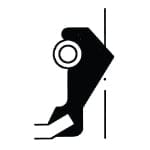
S-shaped lip – a single lip with a spring structure. The core function of the spring is to enhance the sealing performance of oil media (different from grease lubrication conditions), making it suitable for applications with mild operating conditions.
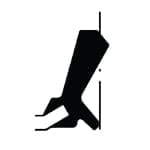
K-type lip – a springless double-lip structure designed specifically for grease-lubricated applications, with a built-in auxiliary dust-proof lip to maximize the prevention of particulate matter from entering the sealing area.
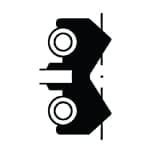
D-shaped lip – a double-lip, double-spring lip design. This lip shape is used when there is media on both sides of the oil seal.
Actual choice:

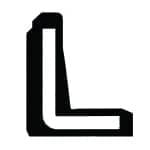
Cold-rolled carbon steel stampings are the most widely used and cost-effective material for oil seal housings. Phosphating treatment of the steel optimizes the forming process and prevents corrosion during storage. The “L”-shaped geometry is the most economical housing design, and various other geometries are also available to improve product rigidity, positioning accuracy, and ease of disassembly. Furthermore, oil seal housings can also be manufactured using rubber molding processes, effectively addressing issues related to corrosion, vibration, and sealing performance.

Type C housing – The exterior of the housing is coated with rubber, designed specifically for applications requiring frequent disassembly of seals or high sealing performance of cylinder bores and oil seals.
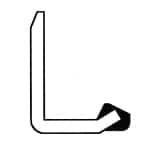
The B2 type shell adopts a simple "L" shaped structure design, which is a mainstream solution that combines economy and universality. The outer diameter of the shell is made of metal.
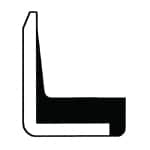
Type B shell – The structural design is the same as that of Type B2 shell, the difference being the addition of an inner rubber coating, which effectively protects the shell from damage caused by media corrosion.
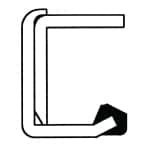
Type A2 housing – The outer diameter is made of metal, with an internal shell added to enhance structural rigidity. This design is specifically tailored for large-diameter seals, ensuring the structural integrity of the seal during installation.
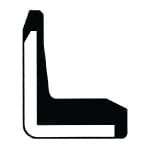
BR type housing – The structural design is the same as the B type housing, the key difference being the addition of a rubber coating on the leading edge of the housing. This coating ensures a reliable seal is formed after the oil seal is installed in the groove.
Size selection:

The size of an oil seal is determined by three factors: the diameter of the rotating shaft, the inner diameter of the housing, and its thickness (width). Choosing the appropriate size is crucial to ensuring good sealing performance. The inner diameter of the oil seal is slightly smaller than the diameter of the shaft, which effectively locks in the lubricant while isolating it from external contaminants. We offer both metric and imperial sizes to easily meet the needs of various equipment.

Shaft and outer diameter tolerance parameter table (unit: mm)

Shaft tolerance (mm)
Size range (mm)Shaft tolerance (recommended)Outer diameter tolerance (recommended)
6–12f7(-0.016 / -0.034)H8(0 / +0.022)
13–25f7(-0.020 / -0.041)H8(0 / +0.033)
26–50f8(-0.025 / -0.059)H8(0 / +0.039)
51–80f8(-0.030 / -0.071)H9(0 / +0.050)
81–120f9(-0.036 / -0.092)H9(0 / +0.065)
>120f9(-0.043 / -0.112)H10(0 / +0.100)
Oil seal outer diameter standard tolerance – mm
Outer diameter range (mm)Recommended tolerances (upper deviation / lower deviation)
6–120 / -0.010
13–250 / -0.013
26–50+0.005 / -0.015
51–80+0.008 / -0.020
81–120+0.010 / -0.025
>120+0.015 / -0.030

Oil seal alternative

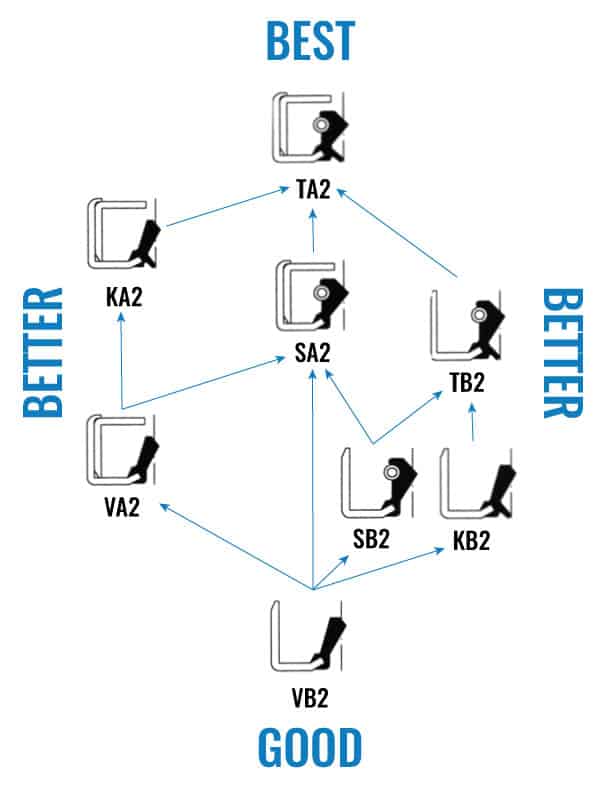
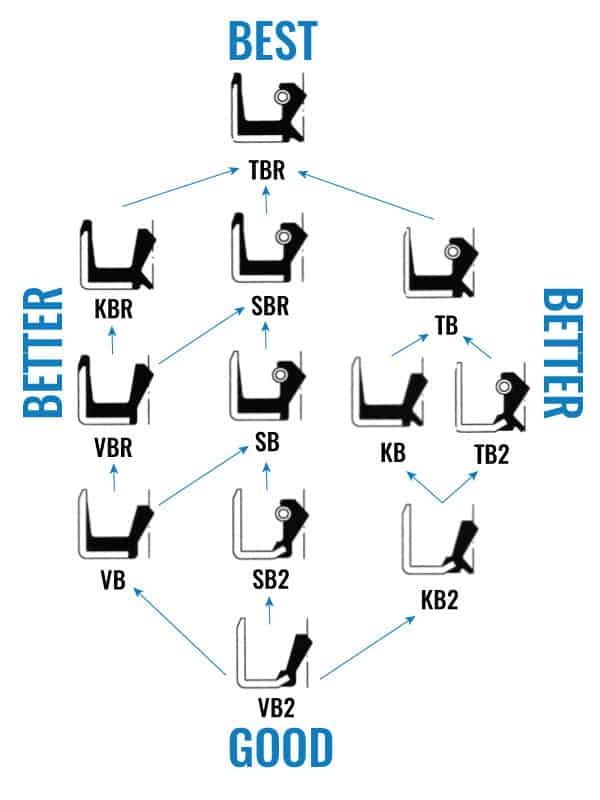
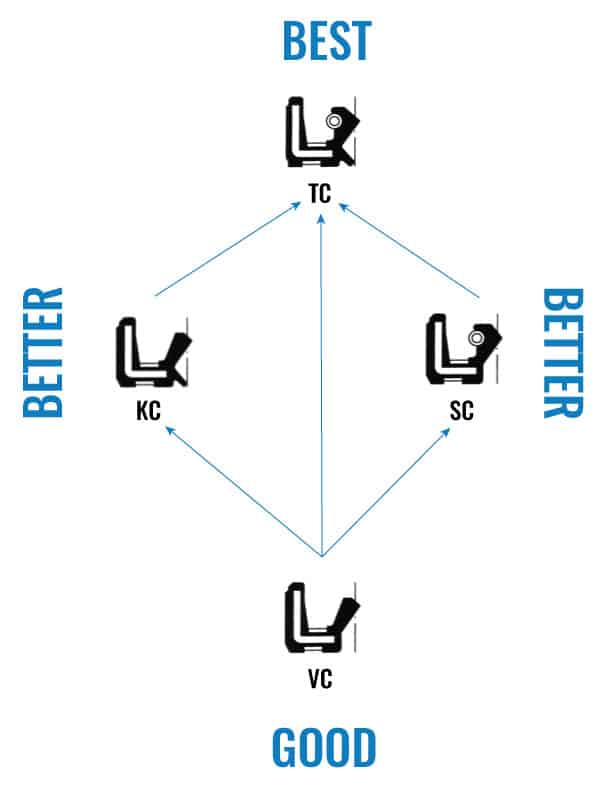
We offer a wide variety of oil seals, with mainstream models categorized into three grades: Good, Better, and Best. Manufacturers typically prioritize the “Good” or “Better” grade, balancing specifications and cost-effectiveness. When replacing oil seals, you can directly choose the same model; if out of stock, upgrading to the “Better” or “Best” grade provides a seamless replacement. The table below lists the corresponding upgrade options. To quickly meet your high-quality needs, we maintain a large inventory of “Better” and “Best” grade oil seals, offering significant price advantages.

Exhibit 1:
Exhibit 1:
Exhibit 2:
Exhibit 3:

Other oil seal options:

In addition to choices of materials, lip shape, and housing, we also offer upgrade options with stainless steel housings and stainless steel springs. These customized products will have a unique identifier added to the part number for easy identification.

Custom oil seal

Install oil seal

Choosing the right oil seal is crucial, and proper installation can double the sealing effect! Click here to see our step-by-step installation guide to easily install oil seals and ensure optimal performance.

Also note: Even after replacing the oil seal, oil leaks may still occur if there are wear grooves on the shaft surface. Don’t panic in this situation; installing a shaft repair sleeve can easily fix it, especially suitable for crankshaft groove wear problems.

Oil Seal Style Comparison Table

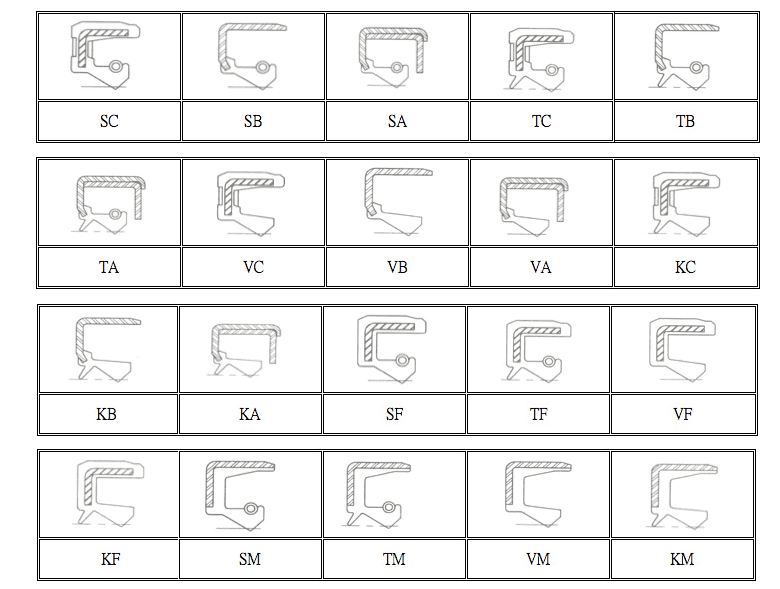
Oil seal manufacturers are located worldwide, and different brands have significantly different part numbering systems. Therefore, we have compiled this quick reference table for oil seal styles to help you quickly match various lip and housing designs. You can either directly select the size and material on e-commerce platforms or contact our sales team to place a customized order. See the table below for details:

KODA Oil seal and O-ringCase DesignLip DesignTimken (National)SKF/CRHarwalGarlockDichtomatik (TCM)
SCRubber ODSingle Lip w/ Spring35HMS5A92SC
TCRubber ODDouble Lip w/ Spring32HMSA10ADL94TC
VCRubber ODSingle Lip, No Spring34HM4AO91VC
KCRubber ODDouble Lip, No SpringKC
DCRubber ODTwo Spring LipsDCDC
SBMetal OD, Rubber IDSingle Lip w/ SpringHDS1/HDS2SM76SM
TBMetal OD, Rubber IDDouble Lip w/ SpringTM78TM
VBMetal OD, Rubber IDSingle Lip, No SpringVM71VM
KBMetal OD, Rubber IDDouble Lip, No SpringKMKM
DBMetal OD, Rubber IDTwo Spring LipsDM
SB2Metal ODSingle Lip w/ Spring48CRW1B76SB
TB2Metal ODDouble Lip w/ Spring47, 69CRWA1BDL78TB
VB2Metal ODSingle Lip, No Spring44HM14BO71VB
KB2Metal ODDouble Lip, No Spring49BODLKB
DB2Metal ODTwo Spring LipsDBDB
SBRMetal OD, Rubber ID, and NoseSingle Lip w/ Spring35SZ
TBRMetal OD, Rubber ID, and NoseDouble Lip w/ Spring33TZ
VBRMetal OD, Rubber ID, and NoseSingle Lip, No Spring31VZVZ
KBRMetal OD, Rubber ID, and NoseDouble Lip, No SpringKZ
DBRMetal OD, Rubber ID, and NoseTwo Spring Lips
SA2Metal OD w/ Reinforcing PlateSingle Lip w/ Spring45CRWH1C50SA
TA2Metal OD w/ Reinforcing PlateDouble Lip w/ Spring41, 70CRWHA1CDLTA
VA2Metal OD w/ Reinforcing PlateSingle Lip, No SpringCO63VA
KA2Metal OD w/ Reinforcing PlateDouble Lip, No SpringCODL63KA
DA2Metal OD w/ Reinforcing PlateTwo Spring Lips75DADA

Chat with https://oilseal-china.com/

Our business hours are Monday to Friday, 8:00 AM to 6:00 PM. Please leave a message on the “Contact Us” page, and we will reply to you within one business day. Please submit your message here: Contact Us

0

Subtotal