
Understanding the TCY Oil Seal and Why It Matters in Modern Machinery
In today’s industrial world, rotating equipment operates under increasingly demanding conditions. Whether in automotive transmissions, hydraulic pumps, gearboxes, agricultural machinery, construction equipment, or industrial motors, maintaining proper lubrication while preventing contamination is critical for equipment reliability. One sealing solution that has gained widespread recognition for its durability and sealing performance is the TCY oil seal.
Although many engineers and maintenance professionals are familiar with standard TC oil seals, fewer fully understand the design advantages and application benefits offered by TCY oil seals. These specialized rotary shaft seals are engineered to provide enhanced sealing capability in environments where dust, dirt, moisture, mud, and other contaminants threaten equipment performance.
Selecting the correct TCY oil seal can significantly improve equipment longevity, reduce maintenance costs, minimize downtime, and enhance operational efficiency.
What Is a TCY Oil Seal?
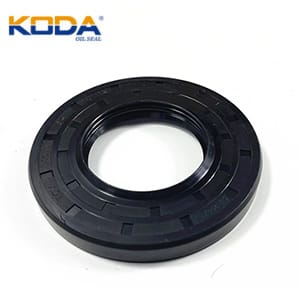
A TCY oil seal is a rotary shaft sealing component designed to prevent lubricant leakage while simultaneously blocking external contaminants from entering mechanical systems. It belongs to the family of radial shaft seals and is commonly used in applications involving rotating shafts operating under challenging environmental conditions.
The designation “TCY” generally refers to a seal design that incorporates:
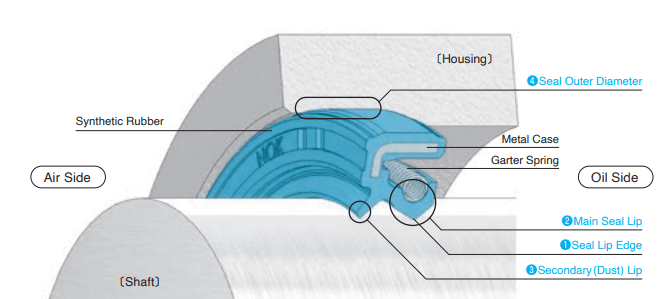
✔ Dual sealing lips
✔ Primary oil-retaining lip
✔ Auxiliary dust-exclusion lip
✔ Reinforced metal insert structure
✔ Spring-loaded sealing mechanism
These design characteristics allow TCY seals to maintain effective sealing performance in environments exposed to dirt, moisture, abrasive particles, and fluctuating operating conditions.
How Does a TCY Oil Seal Work?
The operating principle of a TCY oil seal is based on controlled radial contact between the sealing lip and the rotating shaft.
The primary sealing lip maintains constant pressure against the shaft surface through a combination of elastomer elasticity and a garter spring. This creates a dynamic sealing interface that retains lubricating oil inside the equipment.
Meanwhile, the secondary dust lip serves as an additional protective barrier that prevents external contaminants from reaching the primary sealing area.
Together, these sealing elements create a highly effective defense system against both lubricant leakage and environmental contamination.
Main Functions of a TCY Oil Seal
The popularity of TCY oil seals is directly related to their ability to perform multiple critical sealing functions simultaneously.
1. Prevent Lubricant Leakage
The primary function of any oil seal is retaining lubricants within the equipment housing. TCY oil seals effectively prevent oil, grease, and hydraulic fluids from escaping around rotating shafts.
Proper lubricant retention ensures:
Reduced friction
Lower wear rates
Improved equipment efficiency
Extended bearing life
Stable operating temperatures
2. Block Dust and Dirt Ingress
The auxiliary sealing lip acts as a protective shield against external contaminants. Dust, sand, mud, and airborne particles are prevented from reaching sensitive internal components.
This protection is especially valuable in construction, mining, and agricultural machinery applications.
3. Protect Bearings and Rotating Components
Contaminated lubricants can significantly reduce bearing life. By keeping contaminants out, TCY seals help maintain lubricant cleanliness and protect critical rotating assemblies.
4. Improve Equipment Reliability
Leak-free operation contributes directly to reduced maintenance requirements and increased equipment uptime.
5. Support Long-Term Operational Efficiency
Effective sealing reduces lubricant loss and prevents contamination-related failures, improving overall system efficiency.
For many industrial applications, a properly selected TCY oil seal becomes a key factor in long-term equipment reliability.
Key Components of a TCY Oil Seal
Understanding the individual components helps explain why TCY seals deliver superior performance.
Sealing Lip
The primary lip creates the dynamic seal against the rotating shaft and controls lubricant retention.
Dust Lip
The secondary lip prevents contaminants from entering the sealing zone.
Garter Spring
This spring maintains consistent radial pressure between the sealing lip and shaft surface.
Metal Reinforcement Ring
The metal insert provides structural stability and maintains dimensional accuracy during installation.
Elastomer Body
The rubber outer diameter ensures secure housing retention and helps absorb vibration.
TCY Oil Seal vs Standard TC Oil Seal
Although TC and TCY oil seals appear similar at first glance, several design differences distinguish their performance characteristics.
Enhanced Dust Protection
TCY seals generally provide improved contamination resistance due to optimized dust lip geometry.
Better Environmental Resistance
Applications exposed to water, mud, and debris often benefit from the enhanced sealing capabilities of TCY designs.
Longer Service Life
Additional protection against contamination frequently translates into extended seal and bearing life.
Improved Reliability in Harsh Conditions
TCY seals are commonly selected where operating environments are particularly aggressive.
Common Materials Used in TCY Oil Seals
Material selection plays a critical role in determining seal performance.
NBR (Nitrile Rubber)
Excellent oil resistance and cost-effectiveness make NBR one of the most widely used materials.
FKM (Viton®)
Provides superior resistance to heat, chemicals, and aggressive fluids.
Silicone Rubber
Suitable for applications requiring excellent low-temperature flexibility.
HNBR
Offers enhanced wear resistance and improved thermal stability.
Selecting the appropriate TCY oil seal material depends on operating temperature, shaft speed, lubricant type, and environmental exposure.
Industries That Commonly Use TCY Oil Seals
The versatility of TCY seals makes them suitable for a wide variety of industrial sectors.
Automotive Industry
Used in transmissions, wheel hubs, differentials, steering systems, and engine assemblies.
Agricultural Machinery
Provides protection against dust, soil, water, and crop debris.
Construction Equipment
Excavators, loaders, bulldozers, and cranes often rely on TCY seals for contamination control.
Industrial Manufacturing
Gearboxes, pumps, conveyors, and rotating machinery benefit from reliable shaft sealing.
Mining Operations
Harsh environments with abrasive particles make TCY sealing technology particularly valuable.
Factors Affecting TCY Oil Seal Performance
Several operating variables influence seal longevity and effectiveness.
Shaft surface finish
Operating temperature
Rotational speed
Pressure levels
Lubricant compatibility
Installation quality
Environmental contamination
Careful consideration of these factors helps maximize seal service life.
Common Causes of TCY Oil Seal Failure
Like all sealing components, TCY oil seals can experience failure when subjected to unfavorable operating conditions.
Improper Installation
Misalignment or seal damage during installation is a common cause of premature leakage.
Excessive Heat
Temperatures beyond material limits can accelerate elastomer degradation.
Contamination
Severe abrasive contamination can accelerate lip wear.
Shaft Damage
Worn or rough shaft surfaces reduce sealing effectiveness.
Chemical Incompatibility
Incorrect material selection may result in swelling, cracking, or hardening.
Why TCY Oil Seals Continue to Grow in Popularity
As industrial equipment becomes more advanced and maintenance costs continue rising, the demand for highly reliable sealing solutions has increased significantly.
TCY oil seals address many of the challenges faced by modern rotating equipment. Their ability to simultaneously retain lubricants and exclude contaminants makes them a preferred choice for engineers seeking long-term operational reliability.
The combination of durable construction, versatile material options, and superior contamination resistance ensures that the TCY oil seal remains one of the most trusted sealing solutions across multiple industries worldwide.
Frequently Asked Questions
1. What is the primary function of a TCY oil seal?
Its primary function is to retain lubricants while preventing dust, dirt, moisture, and contaminants from entering the equipment.
2. What makes a TCY oil seal different from a standard oil seal?
TCY oil seals typically feature enhanced dual-lip sealing designs that provide superior contamination protection and improved sealing reliability.
3. Where are TCY oil seals commonly used?
They are widely used in automotive systems, industrial machinery, agricultural equipment, construction machinery, pumps, and gearboxes.
4. Which materials are commonly used for TCY oil seals?
Common materials include NBR, FKM, Silicone, and HNBR depending on temperature, chemical exposure, and application requirements.
5. How can the lifespan of a TCY oil seal be extended?
Proper installation, correct material selection, shaft maintenance, contamination control, and routine inspections can significantly extend service life.