
What is TB oil seal rotary shaft seal?
What is TB oil seal rotary shaft seal?
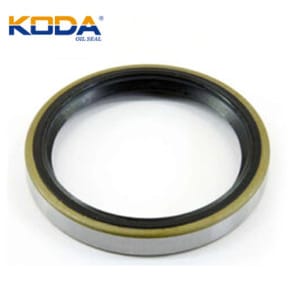
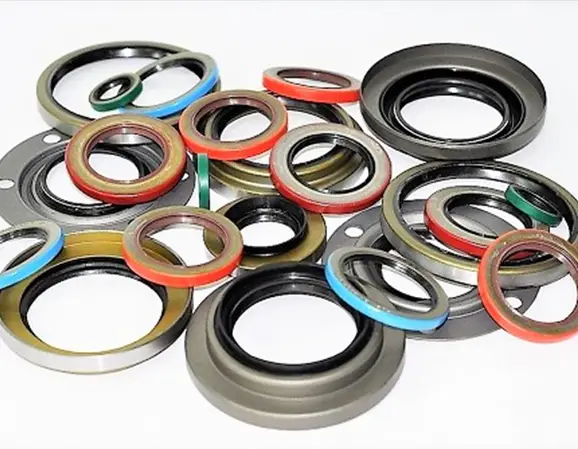
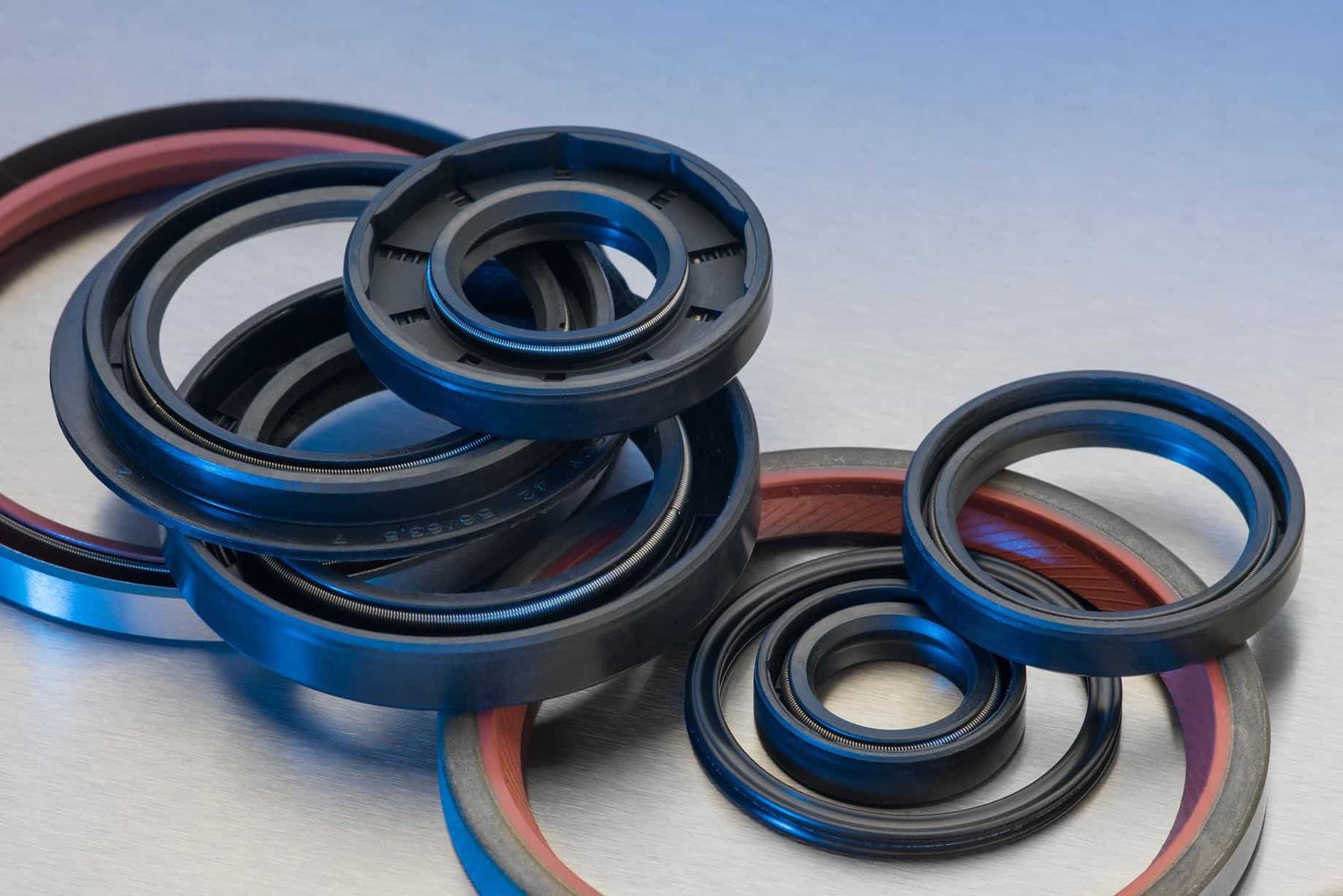
The TB type oil seal is a high-performance product that combines metal skeleton support and double-lip sealing technology to provide all-round protection for your rotating shaft. It ensures zero leakage with a spring-loaded primary lip while protecting against external contamination with a dust-proof secondary lip. Its sturdy metal outer diameter design ensures a perfect fit under extreme temperatures and vibrations. Whether it is preventing the loss of lubricating oil or blocking the entry of impurities, TB oil seals can operate stably within a pressure range below 0.05 MPa, making them ideal for extending the life of equipment.
The following materials are available for the rotary shaft seal TB: NBR (nitrile butadiene rubber), FKM (fluoroelastomer), ACM, silicone rubber (VMQ) and EPDM.
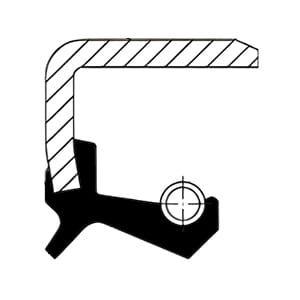
The TB type oil seal is a radial shaft seal featuring a spring-loaded primary lip for lubricant retention, a dust lip for contamination exclusion, and a metal case for a secure interference fit with the housing. Its double-lip design makes it highly effective in dirty or outdoor environments. Compared to the TC type (with an elastomer OD), the TB type is better suited for housings with precision metal bores and applications requiring a metal-to-metal interference fit. Compared to the SB type (single lip, no dust cover), the TB type offers superior sealing performance and comprehensive protection against external contaminants, making it more reliable for heavy-duty or outdoor applications.
TB oil seal features and advantages
1. Core features
The structural design is practical: it adopts a combination of exposed metal skeleton + rubber coating, some have double-lip design (main sealing lip + dust-proof auxiliary lip), and built-in springs enhance the fit.
Excellent radial rigidity: The metal frame provides strong support, especially the large-diameter model, which has outstanding structural stability and is not prone to rebound and deflection after assembly.
Flexible material selection: the rubber lip can be made of NBR, FKM, HNBR and other materials, and the metal frame can be made of ordinary steel or stainless steel, adapting to different media and environments.
Adaptation accuracy scenario: The metal outer diameter needs to match the precision metal inner hole, with accurate positioning, high coaxiality, and excellent dynamic sealing accuracy.
2. Core advantages
Comprehensive sealing and protection: the spring main lip can constantly fit the shaft surface to prevent leakage of high and low viscosity fluids; the dust-proof lip can block dust, moisture and other impurities to protect the inside of the equipment.
Strong adaptability to working conditions: wide temperature range (-40°C to 180°C), oil and chemical resistance, and able to cope with complex working conditions such as vibration and high-speed rotation.
Worry-free installation and use: The metal frame has good rigidity, is easy to install, and has good heat conduction and heat dissipation, which can reduce assembly errors and maintenance frequency.
Long service life: The low radial force design reduces wear and tear, and the high-strength material is anti-aging and tear-resistant, which can significantly extend the equipment operating cycle.
Lip material options
Lip Material | Temp Range | Properties |
NBR | -40°C to +100°C | Oil-resistant, flexible, cost-effective |
FKM (Viton®) | -20°C to +200°C | High temp and chemical resistance |
HNBR | -30°C to +150°C | Improved heat, oil, and wear resistance |
ACM | -25°C to +150°C | Excellent resistance to hot oil and oxidation |
EPDM | -40°C to +140°C | Strong resistance to water, steam, and some chemicals |
VMQ | -60°C to +200°C | Excellent low-temp flexibility, moderate oil resistance |
Choose the right oil seal
1 Confirm the three key dimensions
This is the threshold for selection and must be accurately measured:
Inside diameter (d / ID): The diameter of the shaft into which the oil seal fits.
Outside Diameter (D / OD): The diameter of the cavity (casing) hole into which the oil seal is pressed.
Width (b/W): Thickness of oil seal.
Note: Because TB is a metal shell, the outer diameter usually requires an interference fit (slightly larger than the hole diameter). When purchasing, please confirm whether to purchase according to the free state size or the installation hole diameter.
2. Confirm the working medium (select rubber material)
Determine the type of rubber based on the liquid you want to seal:
Ordinary mineral oil / water / silicone oil: choose NBR (nitrile butadiene rubber). The most cost-effective, temperature resistant -40°C ~ 120°C.
High temperature / strong chemical corrosion / fuel oil: choose FKM (fluorine rubber). Temperature resistant -20°C ~ 200°C+, but expensive.
Extremely low temperature/high speed: Choose ACM (acrylate) or HNBR (hydrogenated nitrile).
3. Confirm operating temperature and speed (check limits)
Temperature range: Make sure the highest and lowest temperatures the equipment operates at are within the tolerance range of the rubber material you choose.
Linear speed: TB oil seals are usually suitable for medium to low speed rotation. If the shaft rotates very quickly (e.g. >15 m/s), special polytetrafluoroethylene (PTFE) oil seals may be required.
4. Evaluate the installation environment (why choose TB instead of TC?)
Cavity material: If the cavity is a precision-machined metal hole with good surface finish, the TB type (metal shell) is the best choice because it is more accurately positioned and will not cause assembly difficulties or positional deviations due to large rubber interference like the TC type (outer rubber).
Environmental cleanliness: If the equipment is used in dusty environments such as outdoors, mines, agricultural machinery, etc., TB type (double lip) is necessary.
Comparison: If it is a clean environment (such as inside a motor), a single-lip SB type may be sufficient.
Cavity accuracy: If the cavity aperture tolerance is large or the surface is rough, the TB type may not be tightly sealed. In this case, the TC type (outside rubber oil seal) should be used instead, using the elasticity of the rubber to fill the error.
5. Check the surface condition of the shaft (easily overlooked)
The oil seal lip is ground on the shaft, and the quality of the shaft directly determines the life:
Surface hardness: The surface hardness of the shaft is recommended to be above HRC 45. If it is a flexible shaft, it needs to be surface hardened, otherwise it will soon be grooved by the oil seal.
Surface roughness: It is recommended to be between Ra 0.2 ~ 0.8 μm. Too rough will wear the lip, and too smooth (mirror surface) will prevent the lubricating oil film from forming, causing dry friction and heating.
If you want to know more about this oil seal, or you don’t know what size or material of oil seal you should use, please feel free to contact us.