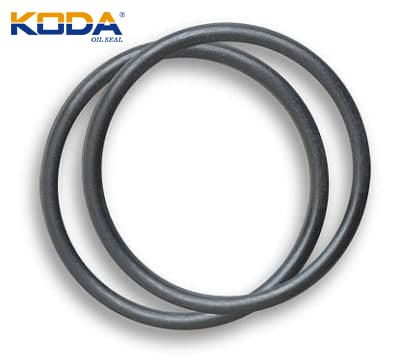
Neoprene O-Rings
Introduction to the material properties of chloroprene rubber O-rings

Chloroprene rubber (CR), chemically known as chloroprene rubber, is one of the first synthetic elastomers successfully developed by DuPont in 1931. Its preparation process involves 2-chloroprene emulsion polymerization. As a versatile elastomer with well-balanced performance, chloroprene rubber O-rings are a preferred sealing component in the refrigeration industry due to their excellent resistance to ammonia and various coolants. Simultaneously, this product possesses excellent oil resistance and resistance to various chemicals, along with outstanding resistance to sunlight, ozone, and weathering. The material itself exhibits excellent toughness and good flame retardancy.
The standard color for chloroprene rubber O-rings is black, and the product has a shelf life of up to 15 years. For detailed information on the application scenarios, performance advantages, and limitations of this product, please refer to the dedicated technical document “About Chloroprene Rubber O-rings”.
Curing method: Sulfur curing
The standard chloroprene rubber (CR) material system is formulated by synergistic application of metal oxides and organic accelerators.
Temperature range of neoprene O-rings:
Standard low temperature: -40°C (-40°F)
Standard high temperature: 100°C (212°F)
Specifications: Chloroprene Rubber (CR) 70 Hardness
Analysis of the environmental adaptability and application scenarios of chloroprene rubber O-rings
Performs Well In:
- Refrigerant
- Ammonia
- Water
- Silicone grease, silicone oil
- High aniline point mineral
Doesn't Perform Well In:
- Aromatic hydrocarbons
- Ketones
- Esters
- Ethers
- Strong oxidizing acids
- Chlorinated hydrocarbons