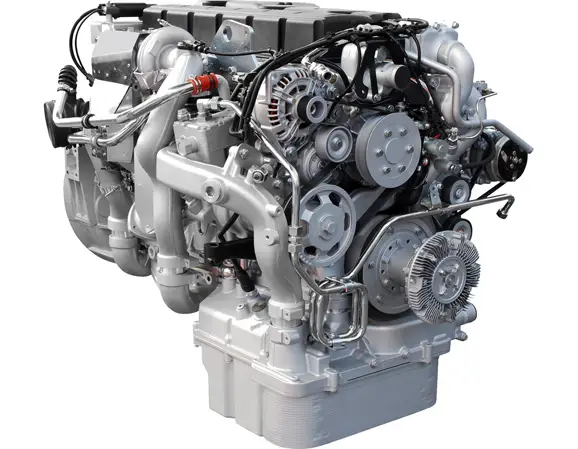
When drivers begin noticing excessive vibration, engine movement, or unusual noises under the hood, one of the most common questions is: How much to replace engine mounts? Engine mount replacement costs can vary significantly depending on vehicle type, labor charges, mount design, and sealing technology. At the center of many modern engine mount systems are high-quality O-rings, which help maintain hydraulic pressure and ensure long-term durability.
Although O-rings are small components, they play an essential role in modern automotive engineering. These precision sealing elements prevent leakage, maintain pressure, and support the reliable operation of hydraulic engine mounts, fuel systems, oil systems, and many other vehicle components. Understanding how engine mounts and O-rings work together can help vehicle owners reduce maintenance costs and improve vehicle lifespan.
What Are Engine Mounts?
Engine mounts are specially designed components that secure the engine to the vehicle chassis while reducing vibration and movement. They serve as cushions between the engine and the body of the vehicle, preventing excessive shaking during driving conditions.
Main functions of engine mounts:
✔ Absorb engine vibration
✔ Stabilize engine positioning
✔ Improve driving comfort
✔ Reduce cabin noise
✔ Protect drivetrain components
Modern hydraulic engine mounts rely heavily on precision sealing technology. Internal chambers filled with hydraulic fluid use durable O-rings to prevent leakage and maintain pressure consistency.
High-quality engine mounts can significantly improve ride quality and reduce mechanical stress throughout the vehicle.
How Much Does It Cost to Replace Engine Mounts?
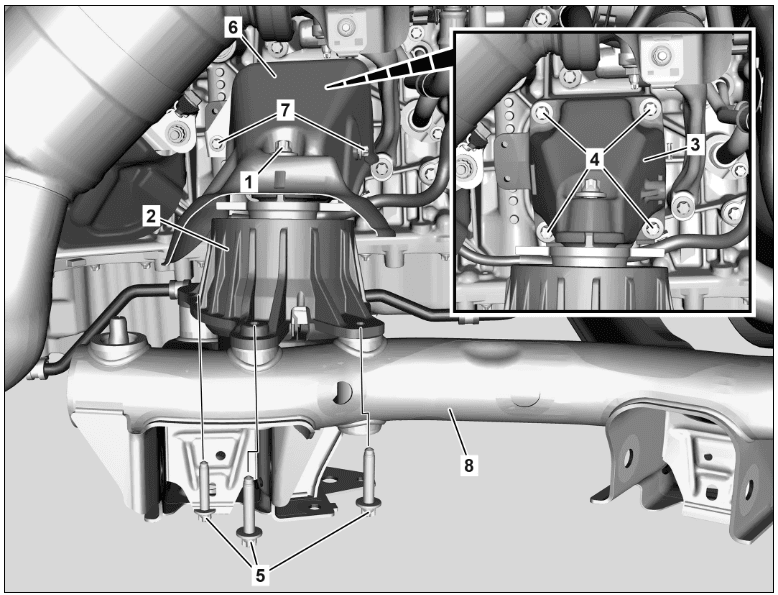
The total cost of replacing engine mounts depends on several factors including labor rates, vehicle complexity, and the type of mount used. On average, replacement costs range from $200 to over $1000.
Average Replacement Cost Breakdown
Typical cost estimates include:
• Parts: $50 – $400 per mount
• Labor: $150 – $700
• Luxury vehicle repairs: $800 – $1500+
• Hydraulic mount systems: Higher replacement cost
Hydraulic mounts are generally more expensive because they contain fluid chambers and advanced sealing structures that require premium-grade O-rings and specialized manufacturing.
Factors Affecting Replacement Costs
Several important factors influence overall repair pricing:
• Vehicle make and model
• Engine size and configuration
• Accessibility of mounts
• Number of mounts replaced
• Hydraulic or solid rubber design
• OEM versus aftermarket components
Vehicles equipped with advanced vibration control systems often require precision-manufactured engine mounts designed for long-term durability and performance.
The Role of O-Rings in Hydraulic Engine Mounts
Hydraulic engine mounts use fluid-filled chambers to absorb vibration more effectively than traditional rubber mounts. Inside these mounts, O-rings maintain internal pressure and prevent hydraulic fluid leakage.
Without properly functioning O-rings, hydraulic mounts lose their vibration-dampening capability, leading to increased engine movement and discomfort while driving.
Why O-rings are critical in engine mounts:
✔ Maintain hydraulic pressure
✔ Prevent fluid leakage
✔ Improve vibration isolation
✔ Extend mount lifespan
✔ Support temperature resistance
The quality of sealing materials directly impacts engine mount performance and long-term reliability.
What Are O-Rings?
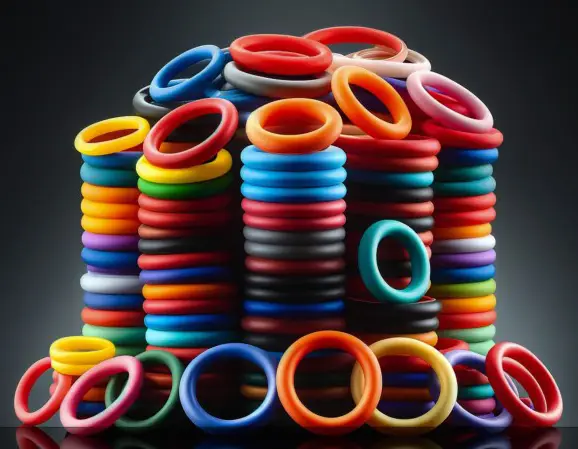
O-rings are circular elastomer seals used to prevent leakage between connected mechanical components. Their simple design allows them to create highly effective seals under pressure.
Automotive O-rings are commonly found in:
• Hydraulic engine mounts
• Fuel injectors
• Oil systems
• Brake assemblies
• Air conditioning systems
• Turbocharger systems
• Cooling systems
These seals must withstand extreme heat, oil exposure, pressure fluctuations, and constant vibration.
Common O-Ring Materials Used in Automotive Applications
Selecting the right O-ring material is essential for automotive reliability and performance.
Nitrile Rubber (NBR)
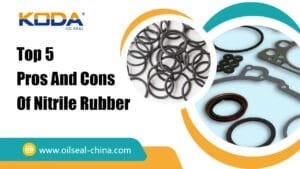
NBR O-rings offer excellent resistance to petroleum oils and fuels. They are cost-effective and widely used in standard automotive systems.
Fluorocarbon (FKM/Viton)
FKM O-rings provide superior resistance to heat, chemicals, and aggressive fluids. These are often used in high-performance engines and hydraulic mounts.
Silicone O-Rings
Silicone materials perform well under extreme temperature conditions and are commonly used in cooling and electronic systems.
EPDM Rubber
EPDM O-rings resist water and steam effectively, making them suitable for brake and coolant applications.
Important O-ring performance characteristics:
• Heat resistance
• Oil compatibility
• Pressure durability
• Flexibility under vibration
• Long-term sealing stability
Signs Your Engine Mounts Need Replacement
Engine mounts gradually wear out due to age, heat, and vibration. Recognizing the warning signs early can prevent expensive repairs.
Excessive Cabin Vibration
One of the most common symptoms is noticeable vibration inside the cabin, especially while idling.
Clunking or Impact Noise
Failed mounts may allow excessive engine movement during acceleration or braking, causing loud noises.
Fluid Leakage
Hydraulic mounts may leak fluid when internal O-rings fail or deteriorate.
Engine Misalignment
Broken mounts can cause the engine to shift out of position, affecting driveline alignment and transmission performance.
Ignoring damaged engine mounts may result in:
• Transmission damage
• Exhaust system stress
• Increased repair costs
• Reduced driving comfort
• Accelerated component wear
How Long Do Engine Mounts Last?
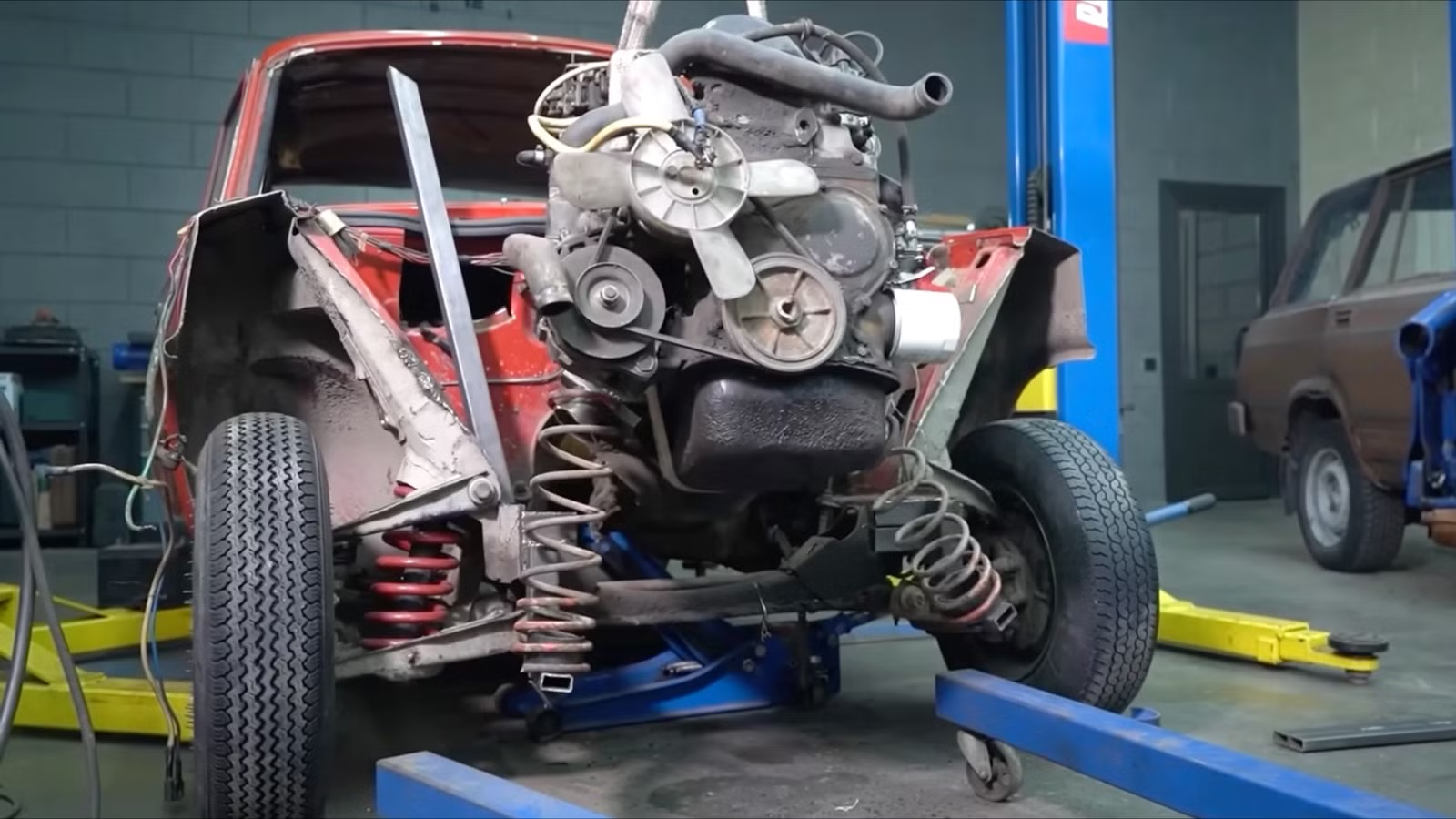
Most engine mounts last between 5 and 10 years depending on driving habits, road conditions, and vehicle type.
Several factors influence mount lifespan:
• Aggressive driving
• High engine torque
• Poor road conditions
• Oil contamination
• Extreme temperature exposure
High-quality sealing components inside hydraulic mounts can significantly extend operational life and improve reliability.
Premium automotive engine mounts are engineered to deliver excellent vibration control and durability under demanding conditions.
Why High-Quality O-Rings Matter
Low-quality O-rings may crack, shrink, or lose elasticity over time. When this occurs, leaks develop and critical automotive systems may fail.
Automotive-grade O-rings are engineered to handle:
• Extreme temperatures
• High hydraulic pressure
• Oil exposure
• Chemical contact
• Continuous vibration
Benefits of premium O-rings:
✔ Longer component lifespan
✔ Reduced maintenance frequency
✔ Improved sealing efficiency
✔ Better hydraulic performance
✔ Lower risk of leakage
OEM vs Aftermarket Engine Mounts
When replacing engine mounts, vehicle owners often choose between OEM and aftermarket components.
OEM Engine Mounts
OEM mounts are manufactured according to original factory specifications. They provide reliable fitment and consistent performance.
Aftermarket Engine Mounts
Aftermarket options vary widely in quality and price. Some performance mounts provide enhanced durability, while low-cost alternatives may use inferior sealing materials.
Choosing reliable suppliers of engine mounts helps ensure long-term performance and proper vibration control.
How Manufacturers Test Automotive O-Rings
To meet strict automotive standards, O-rings undergo rigorous testing procedures.
Temperature Resistance Testing
Seals are tested under extreme heat and cold to evaluate flexibility and durability.
Pressure Testing
Hydraulic simulation systems test sealing performance under real-world operating conditions.
Chemical Compatibility Analysis
Manufacturers expose O-rings to oils, fuels, and solvents to verify long-term stability.
Vibration Simulation
Continuous vibration cycles replicate engine movement and road stress.
Advanced testing improves:
• Product durability
• Vehicle reliability
• Leak prevention
• Hydraulic efficiency
• Driver comfort
Future Trends in Automotive Sealing Technology
The automotive industry continues developing advanced sealing solutions for hybrid and electric vehicles. Although EVs produce less engine vibration, they still require sealing systems for cooling, battery protection, and suspension components.
Future O-ring innovations include:
• Eco-friendly materials
• Improved chemical resistance
• Enhanced thermal stability
• Reduced friction designs
• Longer maintenance intervals
As automotive technology evolves, durable sealing systems and advanced hydraulic mount designs will remain essential for vehicle reliability and performance.
Frequently Asked Questions
1. How much does it cost to replace engine mounts?
Engine mount replacement usually costs between $200 and $1000 depending on vehicle type, labor rates, and mount design.
2. Why do hydraulic engine mounts use O-rings?
O-rings maintain hydraulic pressure inside fluid-filled mounts and prevent leakage during operation.
3. What happens if engine mounts fail?
Failed engine mounts can cause vibration, noise, engine movement, and potential damage to surrounding components.
4. How long do automotive O-rings last?
High-quality automotive O-rings can last many years when properly selected for temperature and chemical compatibility.
5. Are aftermarket engine mounts reliable?
Quality aftermarket mounts can perform very well, but choosing trusted manufacturers with durable sealing technology is important.