Skip to content
Add Your Heading Text Here
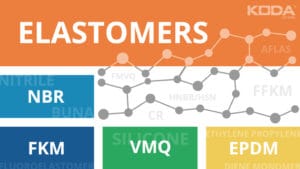
In the oil and gas industry, where operations span upstream exploration, midstream transportation, and downstream refining, O-rings serve as critical sealing components that prevent costly leaks, ensure operational safety, and reduce unplanned downtime. Nitrile (NBR/Buna-N) and Viton® (FKM/FPM) are the two most widely used elastomers for O-rings in this sector, each offering distinct properties tailored to specific harsh conditions. This guide resolves common pain points in material selection, application, and maintenance while guiding your purchasing decisions to optimize performance and cost-efficiency.
Core Properties Comparison: Nitrile vs. Viton O-rings
The performance of O-rings in oil and gas operations depends on their compatibility with media, temperature, pressure, and environmental factors. Below is a detailed comparison to help you distinguish their strengths, limitations, and suitability.
O-rings serve as critical components in the machinery used for oil and gas exploration, extraction, and processing. Regularly exposed to high pressure, elevated temperatures, and corrosive chemicals, these seals demand careful material selection to guarantee reliable performance and extended service life. Nitrile rubber (Buna) and fluoroelastomer (Viton®, also referred to as FKM) stand as the most widely adopted O-ring materials in the industry, with their distinct properties making them well-suited for diverse oil and gas operations.
Nitrile (NBR) O-rings: Cost-Effective Workhorses for Standard Conditions
Nitrile O-rings are the industry’s go-to choice for general oil and gas applications, thanks to their balanced performance and affordability.
Key Advantages: Exceptional resistance to petroleum-based oils, fuels, hydraulic fluids, and hydrocarbons—critical for most upstream and midstream operations. They boast good abrasion resistance, tear strength, and mechanical stability, making them ideal for dynamic sealing in hydraulic equipment and fuel systems. With a temperature range of -40°C to 120°C (short-term up to 150°C) and shore hardness options (40-90 Shore A), they adapt to most standard working conditions at a competitive cost.
Limitations: Poor resistance to ozone, UV radiation, and polar solvents (ketones, esters, and chlorinated hydrocarbons). They degrade rapidly in high-temperature (>120°C) or highly corrosive environments, such as downstream refining with aggressive chemicals. Long-term outdoor exposure may cause brittleness and cracking.
Viton (FKM) O-rings: High-Performance Solutions for Extreme Environments
Key Advantages: Superior chemical resistance to acids, bases, aromatics, halogenated hydrocarbons, and most refinery fluids. They excel in high-temperature environments (-40°C to 250°C) and offer excellent resistance to ozone, UV, and weathering—perfect for offshore, outdoor, and downstream applications. Low gas permeability and self-extinguishing properties enhance safety in high-pressure and volatile environments. Special grades like Viton® ETP further improve compatibility with aggressive media.
Limitations: Higher cost compared to nitrile (2-3x the price). Poor low-temperature flexibility; below -20°C, they may lose elasticity and become brittle. Not recommended for exposure to ketones, amines, hot water, or steam.
Critical Tip: For mixed conditions (e.g., moderate temperature + petroleum fluids), nitrile offers the best cost-performance ratio. For high heat, corrosive chemicals, or offshore salt spray, Viton is non-negotiable to avoid frequent failures.
Optimize usage across your entire oil and gas operation
Matching O-ring materials to specific stages of operation (upstream, midstream, downstream) can address leakage, premature wear, and compliance issues. The following are targeted applications and pain point solutions.
Upstream: Exploration & Extraction
- Nitrile O-rings: Ideal for hydraulic systems, drill pipe connections, and fuel lines handling mineral oils and diesel. They resist abrasion from drilling mud particles and maintain sealing integrity at moderate pressures (≤10 MPa). Solves the pain point of frequent replacements in standard hydraulic circuits with cost-effective durability.
- Viton O-rings: Used in wellhead seals, downhole tools, and offshore platforms. They withstand salt spray corrosion, high temperatures from well fluids, and exposure to sour gas (H₂S) when paired with NACE-compliant formulations. Prevents leaks in critical high-pressure zones that could lead to environmental hazards.
Midstream: Transportation & Storage
- Nitrile O-rings: Suitable for pipeline valves, pump seals, and storage tank hatches handling crude oil and refined fuels. Their excellent hydrocarbon resistance ensures long-term static sealing without excessive swelling. Reduces maintenance costs for non-extreme temperature pipelines.
- Viton O-rings: Recommended for coastal pipelines, LNG transport components, and areas exposed to UV or ozone. Their weathering resistance prevents cracking and leakage in outdoor or marine environments, avoiding costly pipeline repairs.
Downstream: Refining & Petrochemical Processing
- Nitrile O-rings: Limited to non-corrosive sections (e.g., lubrication systems for refining equipment) where media is petroleum-based and temperatures are controlled. Not suitable for contact with acids, solvents, or high-temperature process streams.
- Viton O-rings: The primary choice for refinery reactors, distillation columns, and chemical processing lines. They resist aromatics, acids, and high temperatures (up to 250°C), preventing seal degradation and chemical leaks. Complies with industry standards like NORSOK M-710 and DIN EN 549 for critical petrochemical applications.
Solve Common O-Ring Failures in Oil & Gas Operations
Most O-ring failures stem from improper material selection, installation errors, or poor maintenance. Below are actionable solutions to the most frequent issues.
Problem 1: Leakage Due to Media Incompatibility
Symptoms: O-ring swelling, deformation, or surface erosion, leading to fluid leaks. Causes: Using nitrile in polar solvent or corrosive chemical environments; Viton in ketone or amine-based media. Solution: Conduct media compatibility tests before selection. For petroleum-based fluids, use nitrile; for acids, aromatics, or refinery chemicals, use Viton. Request compatibility reports from suppliers for custom media mixes.
Problem 2: Premature Wear & Cracking
Symptoms: brittleness, surface cracks, or abrasion marks. Causes: Nitrile exposed to ozone/UV; Viton used in low-temperature (<-20°C) conditions; insufficient lubrication. Solution: For outdoor applications, replace nitrile with Viton or add ozone protectants. For low temperatures, select low-temperature Viton grades (e.g., GLT) or alternative materials. Apply compatible lubricants (silicone or fluorinated grease) to reduce friction and abrasion.
Problem 3: Extrusion & Compression Set Failure
Symptoms: O-ring extrusion from grooves, flat cross-sections, or loss of elasticity. Causes: Excessive system pressure, improper groove design, or material with high compression set. Solution: For high-pressure (>10 MPa) applications, use Viton (lower compression set) and install backup rings. Maintain a compression ratio of 15-30% and ensure groove dimensions comply with ISO 3601 standards. Avoid over-compressing nitrile in static sealing to prevent permanent deformation.
Problem 4: Explosive Decompression Damage
Symptoms: Internal bubbling, cracking, or sudden failure under pressure fluctuations. Causes: Gas permeation into the O-ring, followed by rapid pressure release. Solution: Select low-permeability Viton grades for high-pressure gas applications. Optimize groove design with decompression slots to release trapped gas. Use modified formulations with enhanced resistance to gas expansion stress.
Select the Right O-rings for Your Needs
To avoid costly mistakes, focus on these key factors when purchasing nitrile or Viton O-rings for oil and gas applications.

Step 1: Define Core Operational Parameters
Clarify critical conditions to narrow down material choices:
1. Temperature range: Choose nitrile for -40°C to 120°C; Viton for -40°C to 250°C (or low-temperature Viton for colder environments).
2. Media type: Confirm if it’s petroleum-based (nitrile) or corrosive chemicals (Viton).
3. Pressure & motion: Nitrile for moderate-pressure (≤10 MPa) dynamic sealing; Viton for high-pressure (>10 MPa) or static sealing in extremes.
4. Environment: Viton for ozone, UV, or salt spray; nitrile for controlled indoor settings.
Step 2: Prioritize Quality & Certifications
Opt for suppliers with industry certifications to ensure reliability:
• Oil and gas-specific: NACE MR0175 (for sour gas service), NORSOK M-710, and Total GS PVV 142/03.
• General quality: ISO 9001, ASTM D-2000, and MIL-SPEC for consistent manufacturing.
Avoid low-cost recycled nitrile or counterfeit Viton, which may have inconsistent chemical resistance and lead to premature failures.
Step 3: Balance Cost & Total Lifecycle Value
While nitrile has lower upfront costs, Viton reduces long-term expenses by minimizing downtime and replacements. For critical systems (wellheads, refinery reactors), Viton’s extended service life (2-3x that of nitrile) delivers better ROI. For non-critical standard applications (hydraulic lines), nitrile offers optimal cost-efficiency.
Step 4: Confirm Customization & After-Sales Support
Many oil and gas applications require non-standard sizes or specialized formulations. Choose suppliers who offer custom O-rings (shore hardness, dimensions) and technical support—such as compatibility testing, installation guidance, and failure analysis. This ensures seamless integration and rapid troubleshooting.
Nitrile and Viton O-rings are integral to oil and gas operations, with nitrile excelling in cost-effective standard hydrocarbon applications and Viton dominating in extreme high temperatures, corrosive, and environmental conditions. By aligning material properties with your operating parameters, addressing common causes of failure, and prioritizing quality certifications, you can minimize leaks, reduce downtime, and optimize seal performance.
Whether you need nitrile O-rings for hydraulic systems or Viton grades for refining processes. It’s critical to work with a supplier like KODA that can provide high-quality materials that meet the specific needs of oil and gas applications. Contact us for material samples, compatibility testing, and custom solutions to meet your operational goals.