 Skip to content
Causes for O-Ring Failure
O-ring failure types
O-ring failure has various causes, with key factors including improper material selection and incompatibility with the sealing groove design.
Through professional testing and root cause analysis of failed O-rings, the O-ring specifications can be adjusted accordingly, or the equipment’s sealing structure design can be optimized, thereby mitigating the risk of seal failure at its source.
The following section systematically breaks down the most common O-ring failure types, deeply analyzes the causes and mechanisms of each type, and provides practical preventative solutions. Click on any failure type tag below to quickly jump to the corresponding section for details.
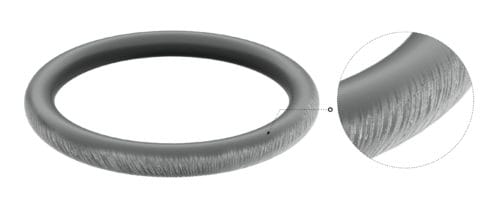
Chemical degradation
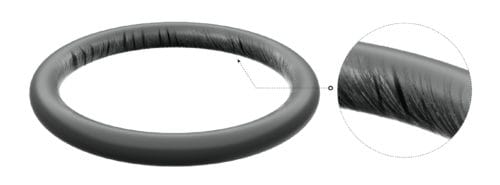
Chemical degradation
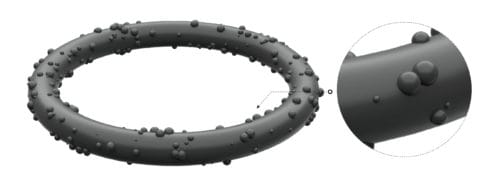
Chemical swelling
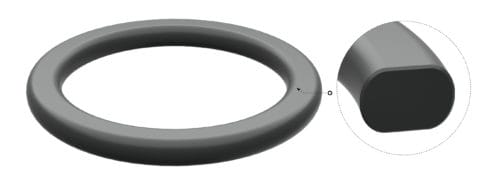
Compression kit
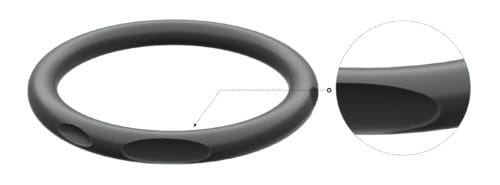
Damage caused by installation
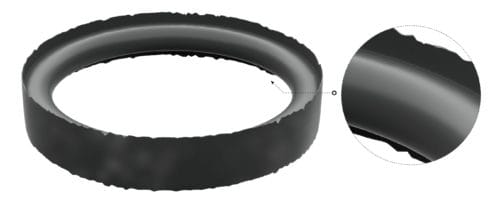
squeezing and biting
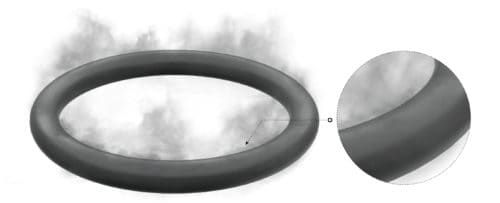
Gas escape
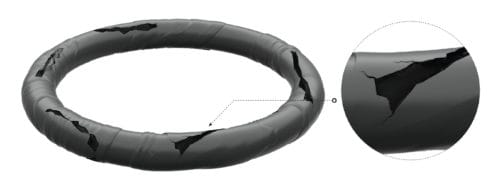
Rapid gas decompression
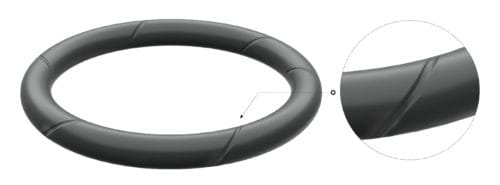
Spiral failure
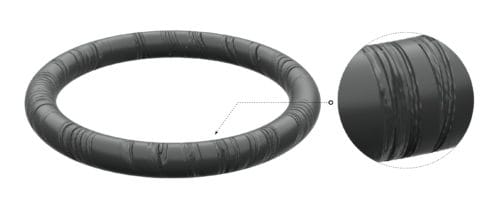
Thermal degradation
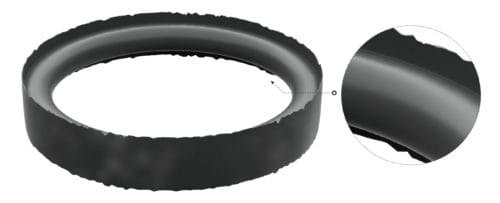
Hot extrusion
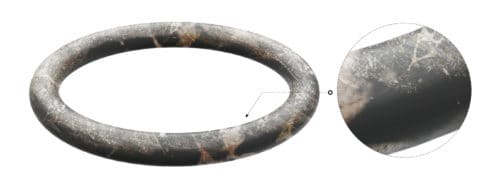
UV degradation
Wear
Appearance Characteristics: The outer surface of the O-ring exhibits minor defects, shallow scratches, and in some areas, deeper cuts or even breakage, typical of wear failure.
Causes of Failure: Wear failure is highly prevalent in dynamic applications. The core cause is the continuous friction between the housing and the outer surface of the O-ring. Failure to lubricate the O-ring during installation significantly increases the risk of wear.
Preventive Measures: Proper lubrication of the sealing system is crucial to preventing wear. KODA offers the O-Lube, Super O-Lube, and O-Ring Grease series of lubricants, which effectively enhance the wear resistance of O-rings and extend the service life of seals.
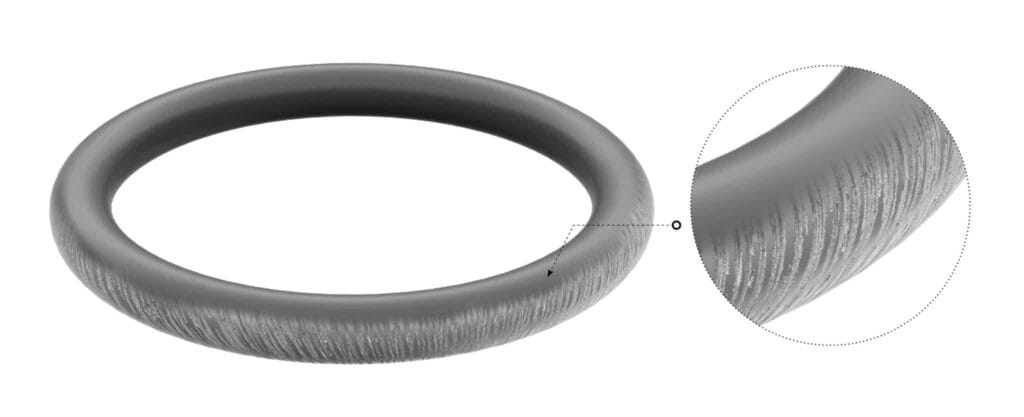
Chemical degradation
Failure Symptoms: O-rings exposed to chemicals during operation are prone to cracking, staining, discoloration, or abnormal hardness.
Causes of Failure: Different chemical media have varying compatibility with O-ring materials. Contact can trigger two extreme reactions: either the material hardens and becomes embrittled, or its hardness and strength decrease, leading to softening, loss of shape, and deformation of the O-ring.
Prevention Measures: The key is to select chemically resistant O-ring materials that match the operating medium. Note that increased temperature or excessive pressure on the O-ring can accelerate the chemical degradation process. It is recommended to use an interactive chemical compatibility tool; inputting the types of chemicals involved in the operating conditions will quickly provide recommended compatible O-ring materials.
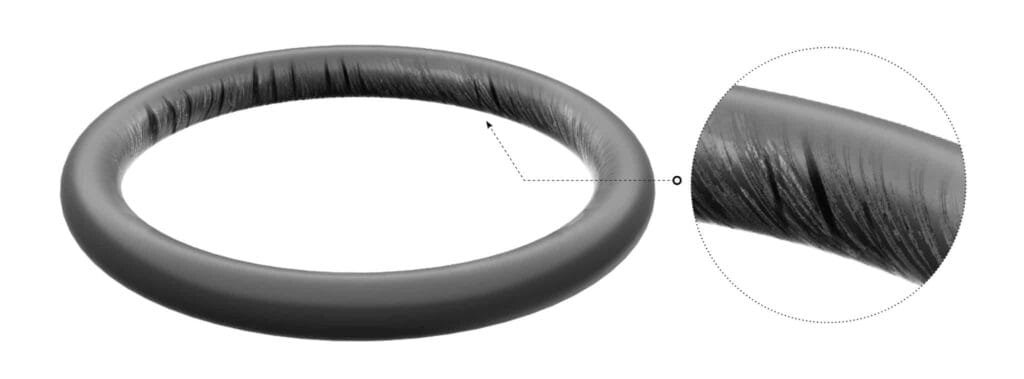
Chemical swelling
Failure Symptoms: Swelling and blistering of O-rings can spread throughout the entire ring or occur only in localized areas in contact with chemicals. Visually, the O-ring appears larger than its original size.
Cause of Failure: The penetration of chemical media into the seal is the core cause of chemical swelling of O-rings. Abnormal volume increase directly reduces the physical strength of the O-ring, compromising its sealing performance and leading to leakage risks.
Prevention Measures: The core principle is to select chemically resistant O-ring materials that match the operating environment and the media. It is recommended to use an interactive chemical compatibility tool; inputting the types of chemicals involved in the application environment will quickly provide accurate material selection recommendations.
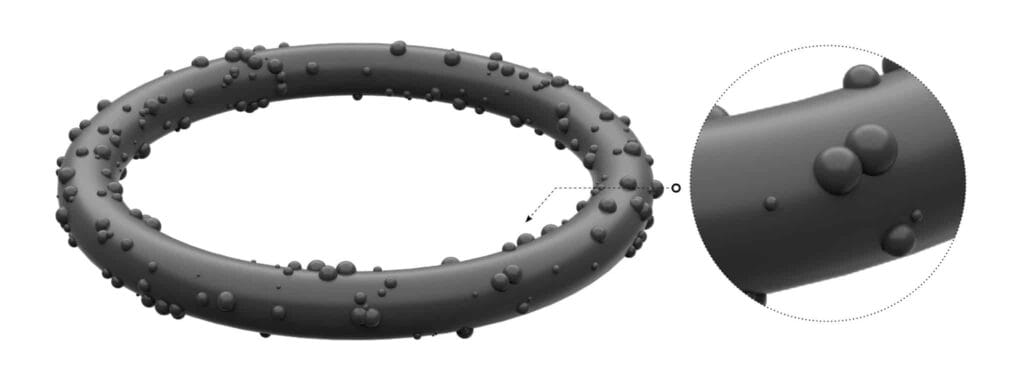
Compression kit
Failure Symptoms: The O-ring’s cross-sectional surface has been ground flat and adhered to the sealing groove, and its original circular cross-sectional shape cannot be restored.
Causes of Failure: Firstly, high temperatures reduce the elasticity of the O-ring, causing it to lose its resilience. Under the combined stress of the operating conditions, the cross-section will irreversibly change from a circular shape to a flattened ellipse. Secondly, an excessively tight sealing groove can cause excessive compression of the O-ring, also leading to permanent deformation of the cross-section.
Preventive Measures: Prioritize the use of O-ring materials with higher hardness and temperature resistance suitable for the operating conditions to ensure structural stability under high temperature and pressure. Simultaneously, verify the sealing groove design parameters to avoid excessive compression of the O-ring. Furthermore, adding auxiliary support rings to the sealing system can effectively reduce the risk of the O-ring being permanently compressed into an elliptical shape.
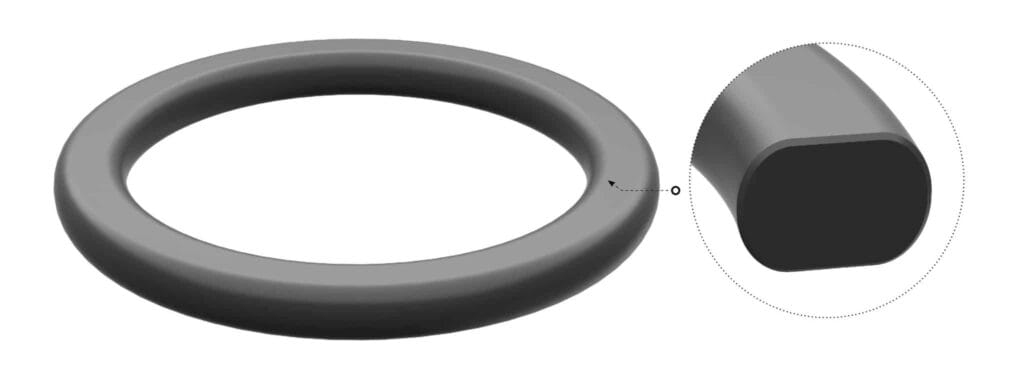
Damage caused by installation
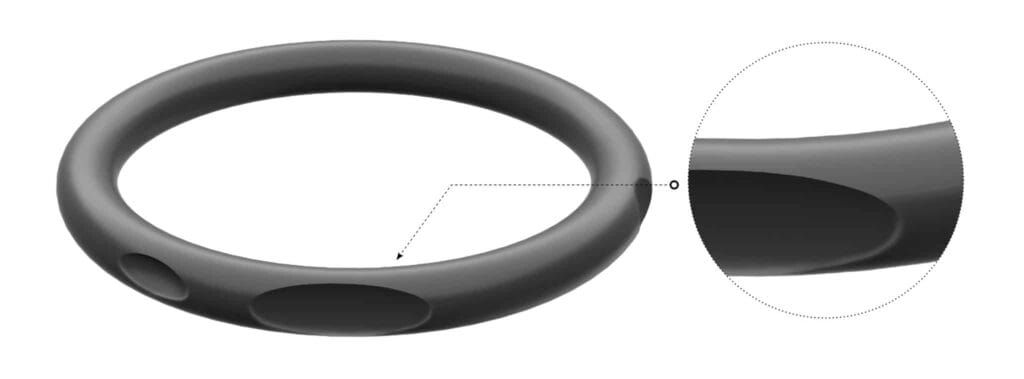
Failure Symptoms: Regular notches are visible on the outer surface of the O-ring due to improper installation.
Causes of Failure: Insufficient lubrication during installation, or sharp edges of the sealing groove or cavity, can directly scratch the O-ring. Additionally, a mismatch between the O-ring size and the sealing groove (too large or too small) can cause edge damage during installation due to compression and friction.
Prevention Measures: Before installation, cover sharp edges with tape to prevent scratching the O-ring. Simultaneously, use KODA’s dimensional measuring tools and lubrication accessories to accurately match the O-ring specifications and ensure proper lubrication and protection, thus preventing damage from the outset.
Squeezing and biting
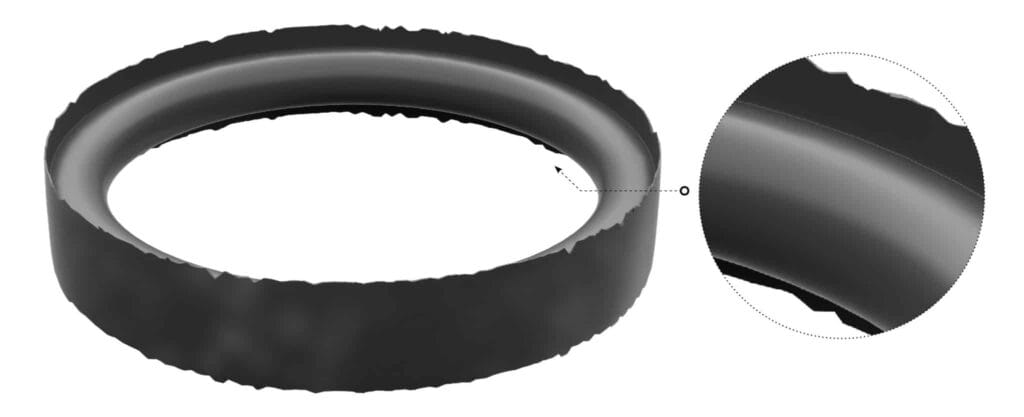
Failure Symptoms: Biting or wrinkling damage is visible on the low-pressure side edge of the O-ring.
Causes of Failure: Under high-pressure conditions, O-rings are easily squeezed into the sealing gap; pressure fluctuations cause repeated opening and closing of the gap, compressing the O-ring trapped inside, eventually causing material extrusion from the low-pressure side. Obvious wrinkles and deformation are visible after disassembly.
Preventive Measures: Prioritize using O-rings with higher hardness—if currently using a 70 hardness specification, replace it with a 90 hardness product (nitrile rubber and fluororubber® materials both have a proven track record of application); simultaneously, adding a backup support ring to the sealing system can effectively reduce the risk of the O-ring being squeezed out of the gap.
Gas escape
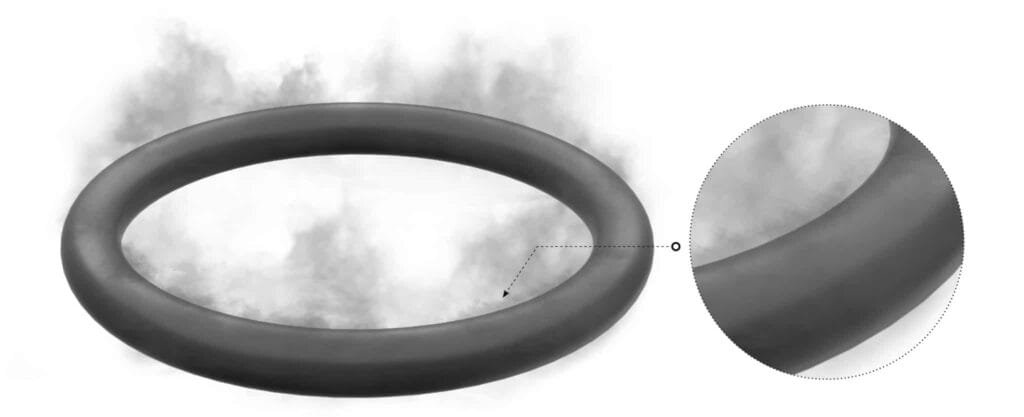
Failure Symptoms: O-rings typically show no obvious abnormalities in appearance, with only slight dimensional shrinkage occurring in rare cases.
Causes of Failure: Under vacuum conditions, the molecules of the O-ring material vaporize and escape, which not only affects the sealing efficiency of the vacuum system but may also contaminate the application environment.
Preventive Measures: The key is to select O-ring materials that are compatible with the vacuum conditions. It is recommended to consult material data sheets and focus on evaluating the material’s applicable temperature range and suitability for the operating conditions. Some elastomers possess excellent resistance to gas escape; typical examples include genuine Viton®, silicone, PTFE, and FFKM.
Rapid gas decompression
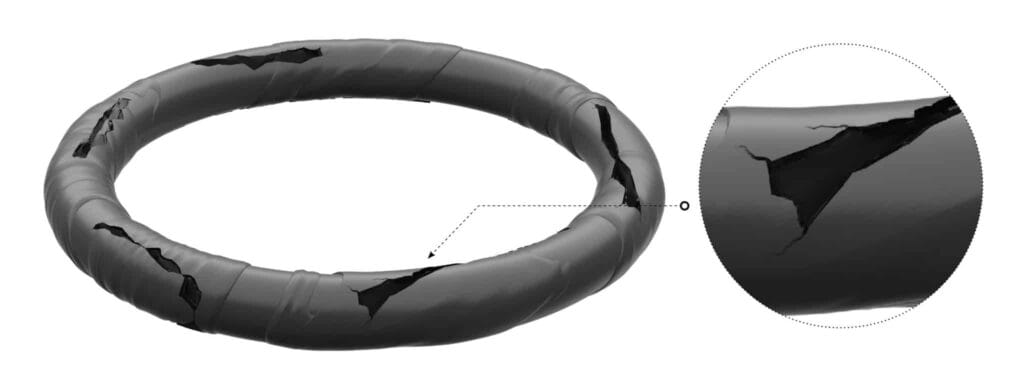
Failure Symptoms: Cracks, bubbles, and deep cuts are visible on the O-ring surface; in extreme cases, complete bursting may occur.
Cause of Failure: Under high pressure and high temperature conditions, when O-rings are in prolonged contact with gaseous media, gas can seep in and become trapped inside the elastomer. When the system pressure drops suddenly, the trapped gas expands instantaneously and ruptures the material surface, leading to cracks, bubbles, or even bursting failure.
Prevention Measures: It is recommended to use O-rings specifically designed for Rapid Gas Decompression (RGD). This series of products is available in Viton® 90 and 95 hardness grades, effectively resisting damage caused by rapid pressure relief.
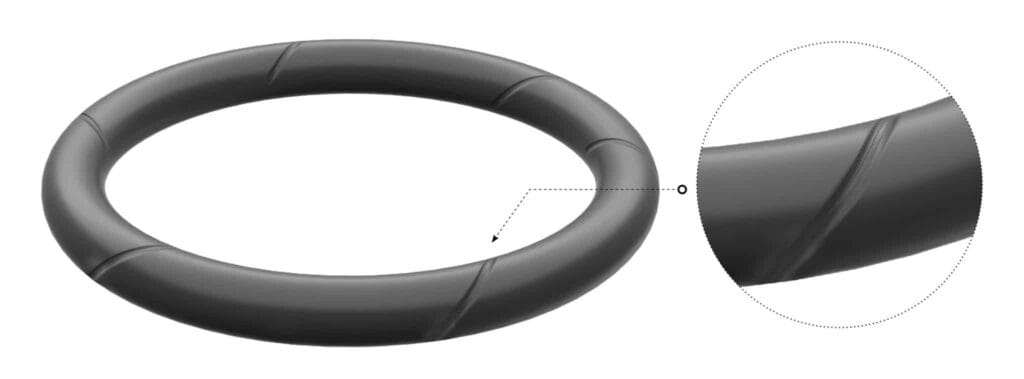
Spiral failure
Failure Manifestations: Deep, circumferential oblique cut marks are visible on the outer surface of the O-ring, a typical characteristic of helical failure.
Causes of Failure: Under dynamic operating conditions or improper operation during initial installation, the O-ring may twist, leading to helical damage. Furthermore, high-friction environments in dynamic applications, insufficient lubrication, and uneven sealing surfaces can exacerbate this type of failure.
Preventive Measures: Firstly, use O-rings with higher hardness to improve their resistance to torsional deformation. Secondly, replace them with X-rings (also known as quadrilateral rings), which double the sealing contact area, structurally eliminating the risk of helical failure.
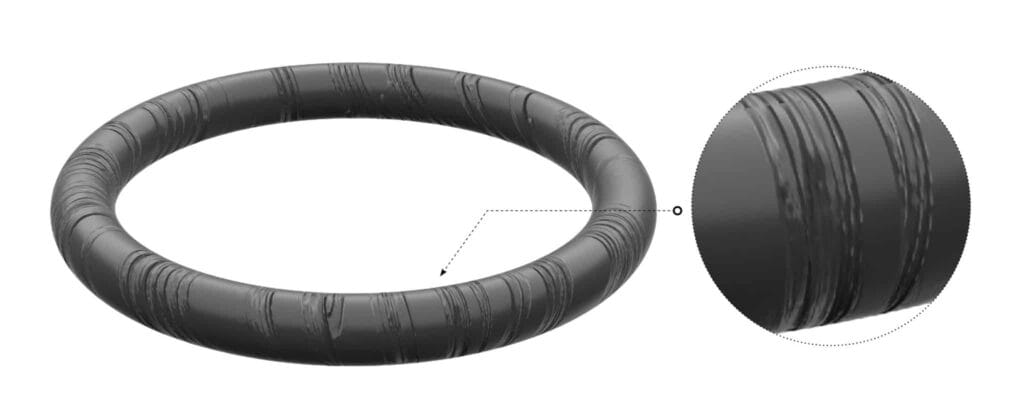
Thermal degradation
Failure Symptoms: Circular cracks appear on the surface of the O-ring, a typical characteristic of high-temperature aging failure.
Cause of Failure: The ambient temperature exceeds the tolerance range of the O-ring material. High temperatures increase the material’s hardness and decrease its elasticity, ultimately leading to visible cracks in the hardened elastomer.
Preventive Measures: Before use, confirm the rated temperature range of the O-ring material, consult the material specification sheet, and clarify the applicable temperature range, recommended operating conditions, and prohibited environments for various materials.
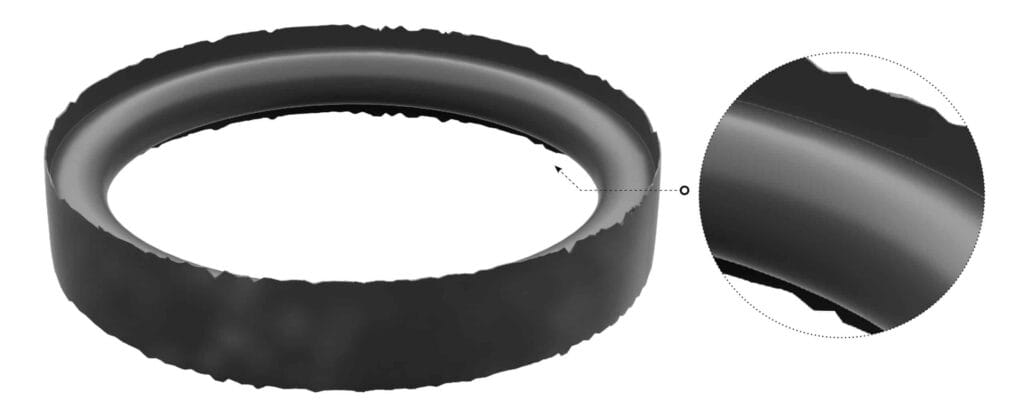
Hot extrusion
Observations: O-ring surfaces are prone to defects and wrinkles at the edges; under high pressure, significant extrusion marks will appear on the pressure-bearing side.
Cause of Failure: When the ambient temperature exceeds the O-ring’s design tolerance range, the material is prone to extrusion deformation, which then fills the sealing gap, ultimately leading to the aforementioned damage.
Preventive Measures: Optimize the O-ring sealing groove structure design, accurately assess the rationality of groove dimensions and gaps, and avoid excessive extrusion force on the O-ring (especially in high-temperature environments, the risk of material extrusion filling needs to be carefully controlled); strictly refer to the O-ring material specification table, match suitable materials according to actual working conditions, and clearly define the applicable temperature range and environmental limitations of different materials to ensure compliant selection.
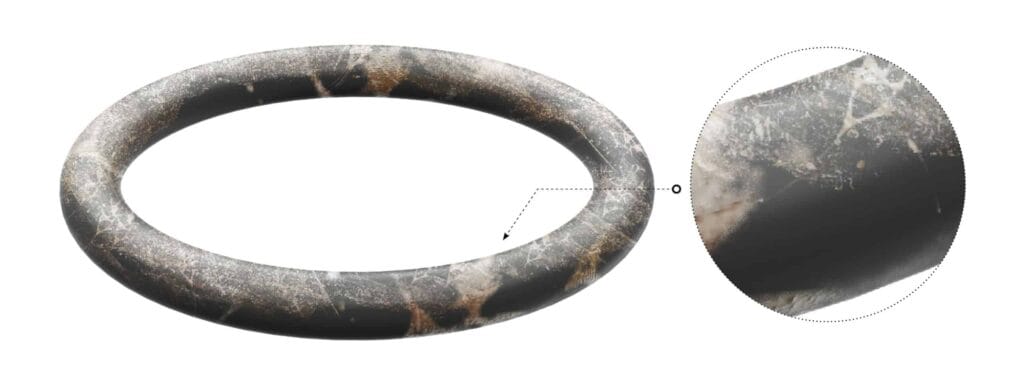
UV degradation
Visible phenomena: Mottled discoloration appears on the surface of the O-ring; prolonged exposure to ultraviolet light will further cause material cracking and breakage, directly compromising the integrity of the sealing structure.
Causes of failure: Ultraviolet light has short-wave high-energy characteristics; continuous exposure will cause irreversible changes in the molecular structure of the O-ring material, leading to aging and degradation; long-term exposure accumulates damage, ultimately causing seal failure and media leakage.
Preventive measures: Prioritize the use of O-rings made of UV-resistant materials, such as black EPDM or Viton® (fluororubber) products, to mitigate the risk of UV aging from the source and ensure the long-term stable operation of the sealing system.
Do you need more help?
For precise compatibility matching of O-ring materials with thousands of chemicals, cross-comparison can be performed using the interactive chemical compatibility tool; detailed technical specifications of O-ring materials can be found in the dedicated compound specification table library; O-ring groove structure design specifications and guidelines are available on the O-ring groove design page; for O-ring size measurement and installation auxiliary tool selection and browsing, please visit the accessories page.
For other technical consultation needs, customized solution inquiries, or quotation requests, please contact us through the following methods:
Fill out the dedicated form on the contact us page;
Call our sales team directly: +86 18730921709.