

Engine Mount
What is an engine mount?
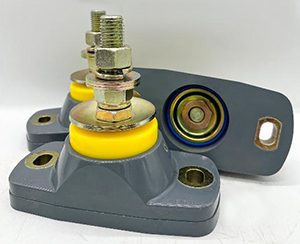
Engine mount are a crucial yet often overlooked component on every vehicle. Connecting the engine to the chassis, they play a vital role. Also known as engine feet, engine mounts are designed to perform two core functions that directly impact vehicle performance, safety, and driving comfort: firstly, to securely hold the engine in place; and secondly, to isolate the cabin from the strong vibrations generated during engine operation. If the engine mounts malfunction, the vehicle may experience excessive shaking, unusual noises, and even damage other critical components such as hoses, wiring, and the transmission.
What is an Engine Mount? A Clear Definition
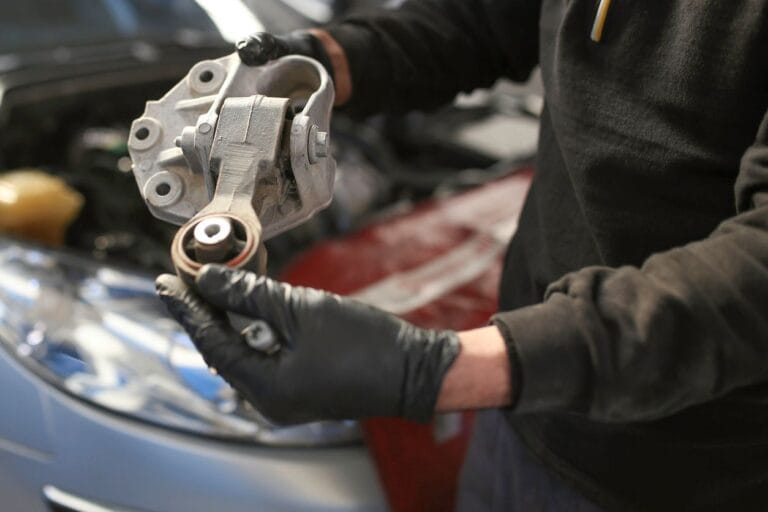
An engine mount is a mechanical component used to connect the engine (and often the transmission) to the vehicle’s frame or chassis. Contrary to popular belief, it’s not just a simple metal bracket—most modern engine mounts employ a combination of rigid metal and flexible materials (such as rubber or hydraulic fluid) to balance the conflicting needs of stability and shock absorption. The metal structure firmly supports the heavy engine (typically weighing 100-200 kg), maintaining stability even during rapid acceleration, emergency braking, or sharp cornering. Meanwhile, the flexible materials absorb and dampen vibrations and shocks generated by the engine’s combustion processes and moving parts, preventing them from being transmitted to the body and passenger compartment.
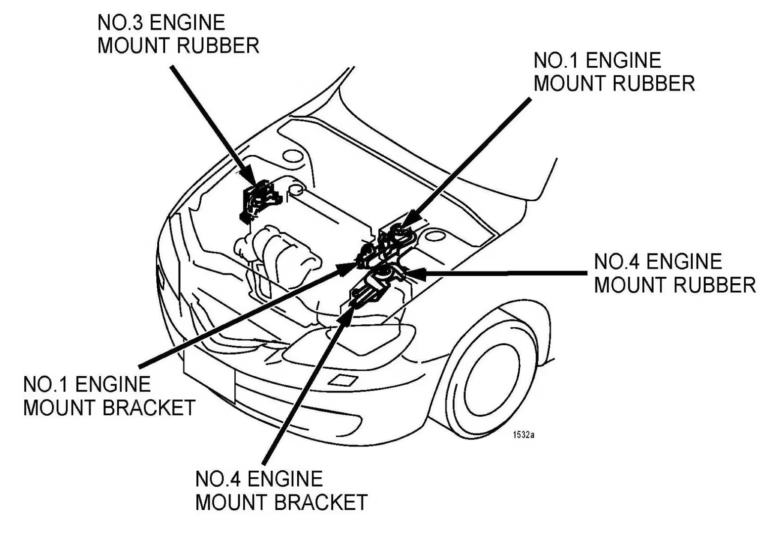
Each vehicle has multiple engine mounts (typically 2-4, depending on the engine’s size and layout), carefully arranged to evenly distribute the engine’s weight and minimize its movement. A typical sedan might have a front engine mount, a rear transmission mount, and side mounts, while larger vehicles or those with high-performance engines may have additional mounts for added stability. For more information on engine mounts, please see our catalog.
What is an Engine Mount? A Clear Definition
The engine mount is more than just a “holder”—it is a critical component that protects your vehicle and enhances your driving experience. Here are its four most important functions, all of which address common customer pain points:
1. Secures the Engine and Prevents Excessive Movement
Engines generate significant torque and force during operation, especially when accelerating or decelerating. Without a strong engine mount, the engine would shift, twist, or even lift from its position, potentially damaging surrounding components like exhaust pipes, coolant hoses, and wiring harnesses. The engine mount’s metal framework ensures the engine stays aligned with the transmission and other drivetrain components, preventing misalignment that can cause shifting issues, power loss, or even catastrophic failure.
2. Dampens Vibrations for a Smooth Ride
3. Protects Other Vehicle Components
4. Improves Driving Safety and Control
Common Types of Engine Mounts: Which One Is in Your Vehicle?
1. Rubber Engine Mounts
- Pros: Cost-effective, highly durable, easy to maintain, and suitable for most daily driving conditions. Rubber resists wear and tear from engine heat and oil, and requires only simple visual inspections to check for damage.
- Cons: Less effective at dampening high-frequency vibrations compared to hydraulic mounts. Over time, rubber can harden, crack, or degrade due to heat, oil exposure, or age, reducing its vibration-absorbing capabilities.
- Applications: Standard passenger cars, trucks, and SUVs for everyday use.
2. Hydraulic Engine Mounts
- Pros: Excellent vibration dampening, especially at low engine speeds (idle), resulting in a quieter, smoother ride. Ideal for reducing NVH in premium or high-performance vehicles.
- Cons: More expensive than rubber mounts. Prone to fluid leaks over time, which can cause complete failure. Require more frequent inspections to check for leaks or fluid loss.
- Applications: Luxury cars, sports cars, hybrid vehicles, and vehicles with large or high-torque engines.
3. Electronic/Active Engine Mounts
- Pros: Superior adaptability, optimal vibration dampening in all conditions, and improved fuel efficiency (by reducing unnecessary engine movement). Ideal for hybrid and electric vehicles, which have different vibration patterns than traditional engines.
- Cons: Most expensive type, complex to repair or replace, and may require specialized diagnostic tools to identify issues. Prone to electrical failures over time.
- Applications: Luxury vehicles, hybrid/electric vehicles, and high-performance sports cars.
4. Polyurethane Engine Mounts
- Pros: Extremely durable, resistant to heat, oil, and wear, and provides better engine stability during high-performance driving (e.g., racing, off-roading). Less likely to degrade over time compared to rubber mounts.
- Cons: Poor vibration dampening, which can lead to more cabin noise and vibration. Not suitable for everyday passenger vehicles where comfort is a priority.
- Applications: Racing vehicles, modified cars, and off-road vehicles.
Symptoms of engine mount failure
1. Excessive Vibration in the Cabin
2. Unusual Noises from the Engine Bay
3. Visible Engine Movement or Misalignment
4. Steering Wheel or Pedal Vibration
5. Visible Damage to the Engine Mount
How to Replace an Engine Mount: DIY vs. Professional Repair
Pre-Replacement Preparation
- Gather Tools: You’ll need a jack, jack stands, socket set, torque wrench, screwdrivers, and possibly a pry bar. For some vehicles, you may need specialized tools (e.g., a engine support bar to hold the engine in place while removing the mount).
- Choose the Right Replacement Engine Mount: Ensure the new engine mount matches your vehicle’s make, model, and engine type—engine mounts are not interchangeable between different vehicles (e.g., a mount for a Mazda CX-90 MHEV will not work for a CX-90 PHEV). Opt for OEM (Original Equipment Manufacturer) or high-quality aftermarket engine mounts to ensure durability and performance. Avoid cheap, low-quality mounts, as they will fail quickly and cost more in the long run.
- Safety First: Park the vehicle on a flat, level surface, engage the parking brake, and disconnect the battery. Use jack stands to support the vehicle—never rely solely on a jack. If you’re unsure about any step, stop and consult a professional mechanic.
Step-by-Step Replacement Process
- Support the Engine: Use a jack (with a wooden block to protect the oil pan) to lift the engine slightly—just enough to take pressure off the failing engine mount. Do not lift the engine too high, as this can damage other components (e.g., hoses, wiring).
- Remove the Old Engine Mount: Locate the engine mount (refer to your vehicle’s service manual for its position) and remove the bolts that connect it to the engine and chassis. Use a pry bar if needed to separate the mount from the engine or chassis—be careful not to damage surrounding components. Once the bolts are removed, pull the old mount out of place.
- Inspect Surrounding Components: While the old mount is removed, inspect the engine bay for any damage (e.g., stretched hoses, loose wiring, corroded brackets) that may have been caused by the failing mount. Repair any issues before installing the new mount.
- Install the New Engine Mount: Position the new engine mount in place, aligning it with the bolt holes on the engine and chassis. Tighten the bolts by hand first, then use a torque wrench to tighten them to the manufacturer’s specifications (this is critical—over-tightening or under-tightening can damage the mount or cause it to fail prematurely).
- Lower the Engine: Slowly lower the jack to release the engine back onto the new mount. Remove the jack and jack stands.
- Test the Vehicle: Reconnect the battery, start the engine, and test for vibrations, noises, or engine movement. If everything is smooth and quiet, the replacement was successful. If issues persist, check for other failing engine mounts (remember, most vehicles have multiple mounts) or misalignment.
DIY vs. Professional Repair
Engine Mount Maintenance: Extend Its Lifespan
1. Regular Visual Inspections
2. Fix Engine Oil Leaks Promptly
3. Avoid Aggressive Driving
4. Store Your Vehicle Properly
5. Use High-Quality Replacement Parts
Conclusion
The engine mount is a critical component that ensures your vehicle runs smoothly, safely, and reliably. By understanding what an engine mount is, its key functions, common types, failure signs, and maintenance tips, you can identify issues early, make informed decisions about repairs, and avoid costly damage to your vehicle. Whether you’re a DIY enthusiast or prefer to rely on a professional, proper care of your engine mounts will extend their lifespan and keep your vehicle performing at its best.
Remember: a well-maintained engine mount not only provides a smooth, comfortable ride but also protects your engine and other critical components from damage. If you notice any of the signs of a failing engine mount—excessive vibration, unusual noises, or visible engine movement—don’t delay repairs. Addressing the issue promptly will save you time, money, and frustration in the long run.
Frequently Asked Questions (FAQs) About Engine Mounts
How long does an engine mount last?
Most engine mounts last 60,000 to 100,000 miles (96,000 to 160,000 km), depending on the type of mount, driving habits, and environmental conditions. Rubber mounts tend to last longer than hydraulic mounts, while aggressive driving or oil leaks can shorten the lifespan to 30,000 to 50,000 miles. If you notice any of the failure signs mentioned earlier, have your engine mounts inspected immediately.
Can I drive with a bad engine mount?
While you may be able to drive with a failing engine mount, it is not safe and not recommended. A bad engine mount can cause excessive engine movement, leading to damage to hoses, wiring, the transmission, or even the engine itself. It can also compromise your ability to control the vehicle due to excessive vibration or steering issues. If you suspect a bad engine mount, have it replaced as soon as possible to avoid further damage and safety risks.
Do I need to replace all engine mounts at once?
Not necessarily, but it is often recommended. Engine mounts wear out at similar rates—if one mount fails, the others are likely close to the end of their lifespan. Replacing all mounts at once ensures consistent performance and avoids the need for repeated repairs. However, if only one mount is damaged (e.g., due to a collision or oil leak), you can replace just that one. Consult your mechanic for advice based on your vehicle’s condition.
Are hydraulic engine mounts better than rubber engine mounts?
It depends on your vehicle and driving needs. Hydraulic engine mounts offer superior vibration dampening, making them ideal for luxury cars, high-performance vehicles, or anyone who prioritizes a smooth, quiet ride. However, they are more expensive and prone to leaks. Rubber engine mounts are more affordable, durable, and suitable for everyday driving. For most passenger vehicles, rubber engine mounts provide the best balance of performance and value.
Why do my engine mounts keep failing?
Engine mounts may fail prematurely due to several reasons: aggressive driving, oil leaks (which degrade rubber), using low-quality replacement mounts, or a misaligned engine. If your engine mounts keep failing, check for oil leaks, ensure the engine is properly aligned, and use high-quality replacement parts. In some cases, a faulty transmission or engine issue may be putting extra stress on the mounts—have your vehicle inspected by a professional to identify the root cause.